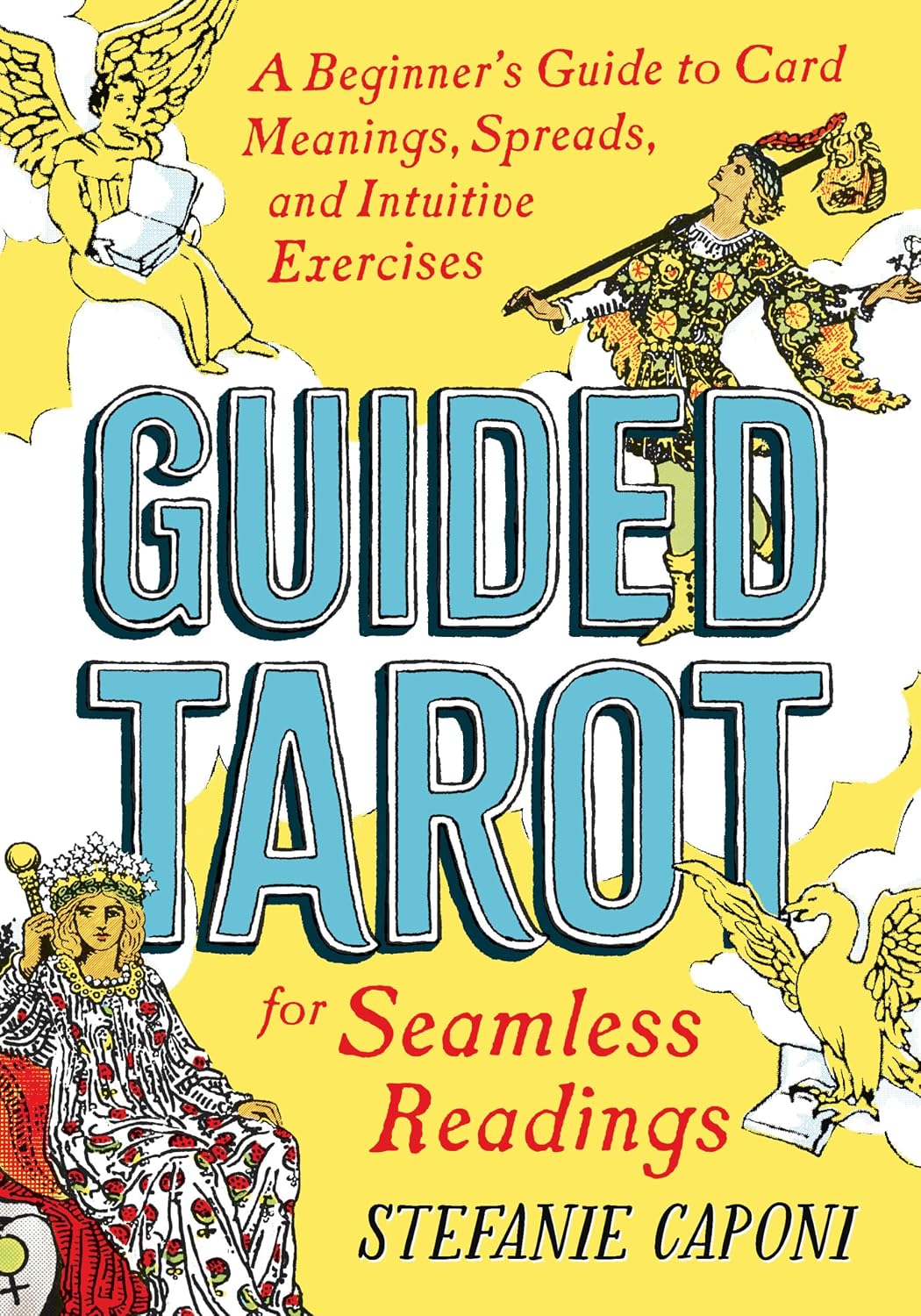
Tarot has an unusually low actual cost of entry compared to most of the metaphysical practices covered on this site — one deck and some practice is genuinely enough to start, no ongoing course or membership required. The two mistakes worth avoiding: buying an off-brand deck with inconsistent print quality as your first one, and skipping straight to memorizing 78 card meanings before understanding the structure they sit inside.
Read the free meanings first
Before buying anything, spend some time with Biddy Tarot’s free card meanings above. Tarot isn’t for everyone, and there’s no reason to spend money finding that out when the core content — what the cards actually represent — is freely available to browse first.
Why the Rider-Waite specifically, and why the licensed edition matters
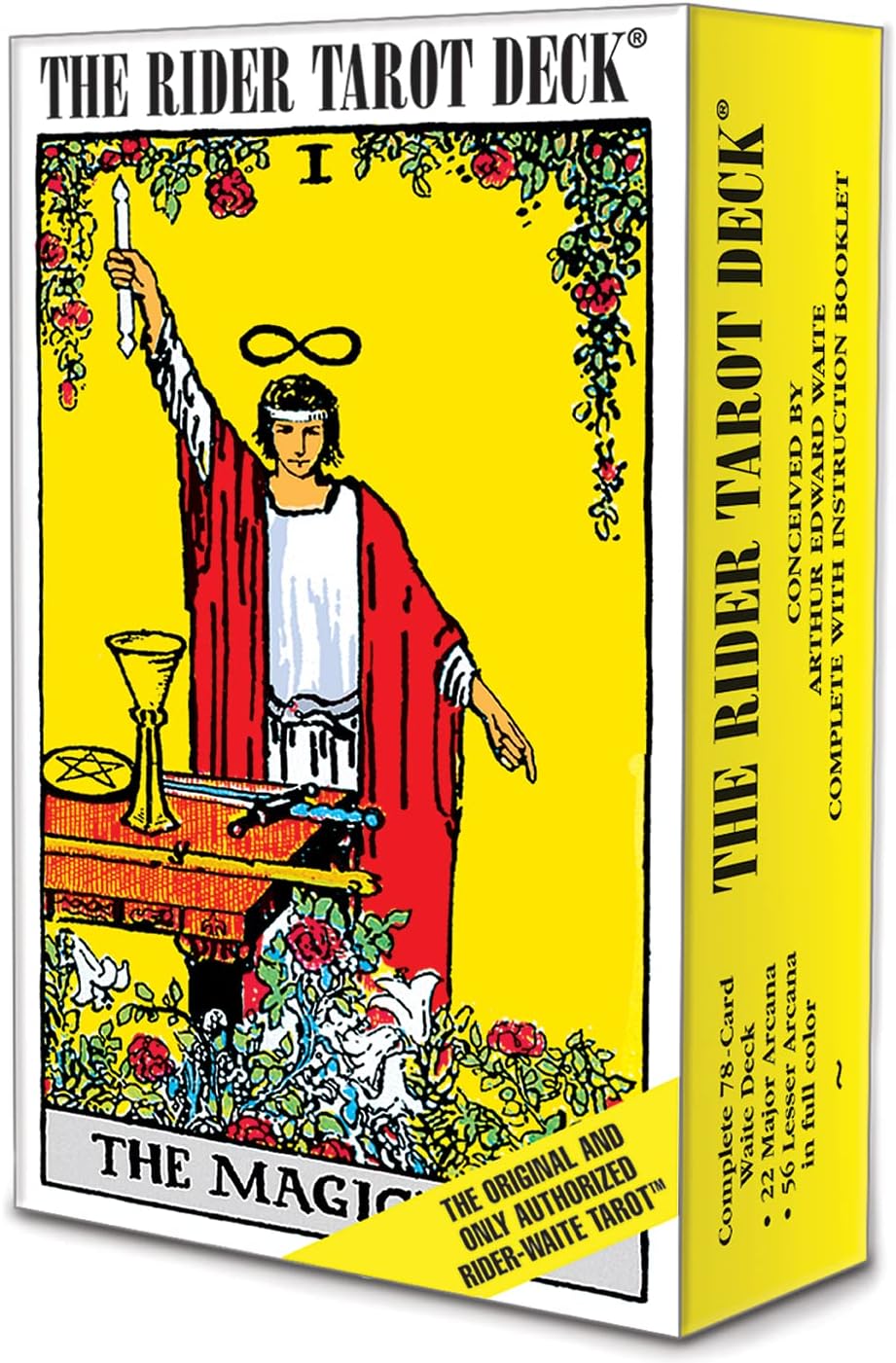
The Rider-Waite-Smith deck, first published in 1909, established the visual template most tarot decks since have either directly copied or deliberately departed from — learning the Rider-Waite imagery first means almost every other deck you encounter later will already feel partially familiar. Because the original artwork is old enough to be public domain in some respects, Amazon carries a lot of cheap unlicensed reprints with muddy printing and flimsy card stock. The listing above is the actual licensed edition from the publisher who holds the rights to this specific presentation of the deck — worth the extra few dollars over a knockoff.
Structure before memorization
The 78 cards break into two groups: 22 Major Arcana (the big, archetypal cards — Death, The Tower, The Sun) and 56 Minor Arcana (structured like a regular card deck, four suits of 14 cards each, more everyday/situational in meaning). Understanding that split before trying to memorize individual meanings makes the whole system click faster than treating all 78 cards as an undifferentiated list to memorize.
Once the basics feel steady
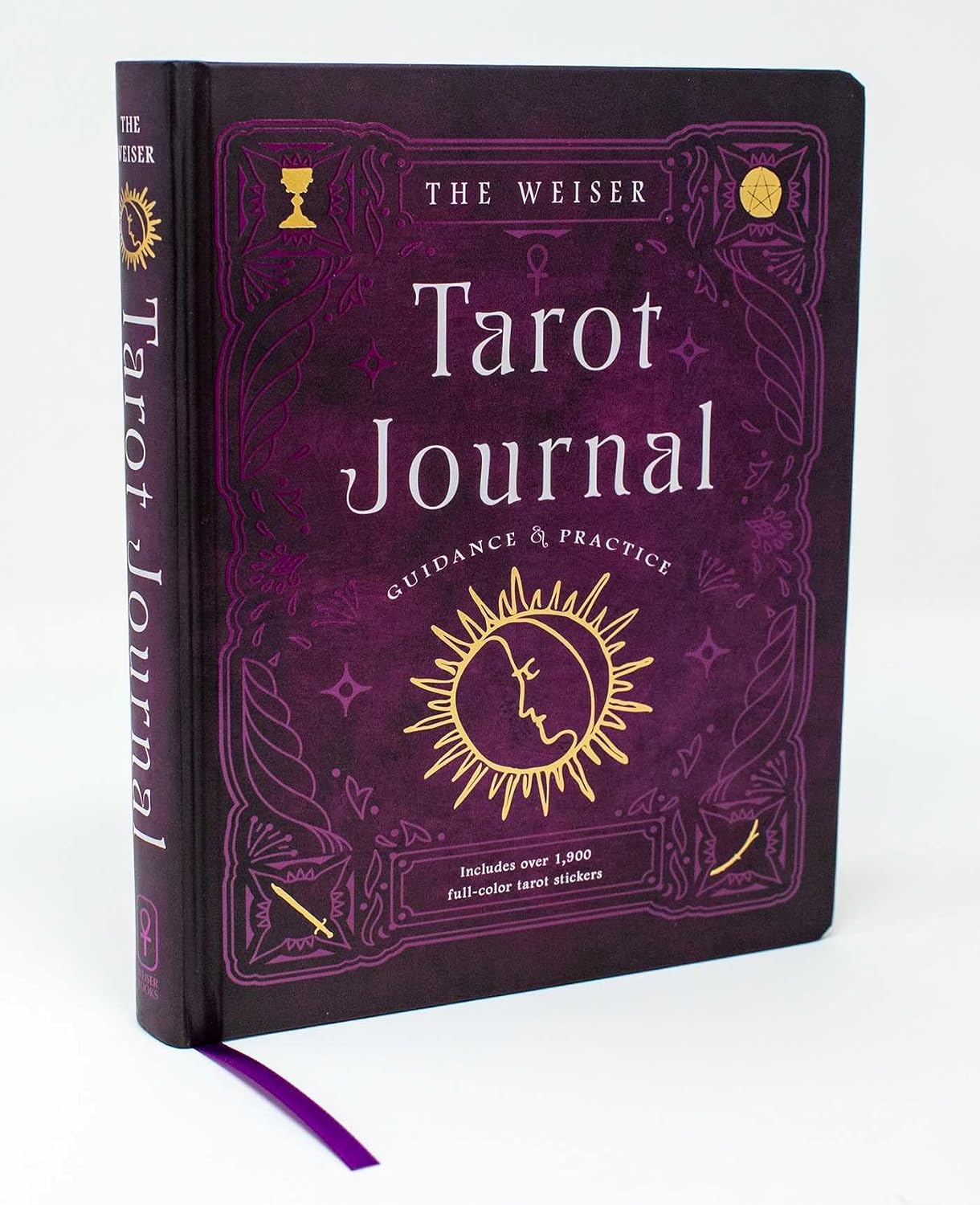
A dedicated practice journal — logging actual readings, what came up, and how it played out — does more for developing real fluency than reading more theory. That’s the difference between knowing what a card “means” in the abstract and being able to read it in the context of an actual question.