Feng Shui Basics: Where to Actually Start

As an Amazon Associate I earn from qualifying purchases. This post may contain affiliate links, which means I may earn a small commission at no extra cost to you if you make a purchase through them. Free resources linked in this article are marked separately and carry no affiliate relationship.

Feng shui is the practice of arranging a home’s layout and objects to support the flow of energy (chi) through the space — a genuinely old Chinese system, not just a modern decorating trend, though it gets treated as one often. There are actually two common approaches to learning it, and most beginner confusion comes from mixing them up without realizing it.

Room-by-room is the easier entry point

One approach walks through a home space by space — bedroom, kitchen, entryway — giving specific guidance for each. This is the more approachable starting point because it maps directly onto how people already think about their home, rather than requiring an abstract framework first.

The bagua map organizes by life area, not by room

The second approach overlays a nine-section grid (the bagua map) onto a home’s floor plan, where each section corresponds to a life area — wealth, career, relationships — regardless of which physical room falls into it. This is a more advanced lens once the room-by-room basics feel familiar, and it’s genuinely a different way of thinking about the same space.

The bagua mirror is the one “cure” almost every beginner asks about

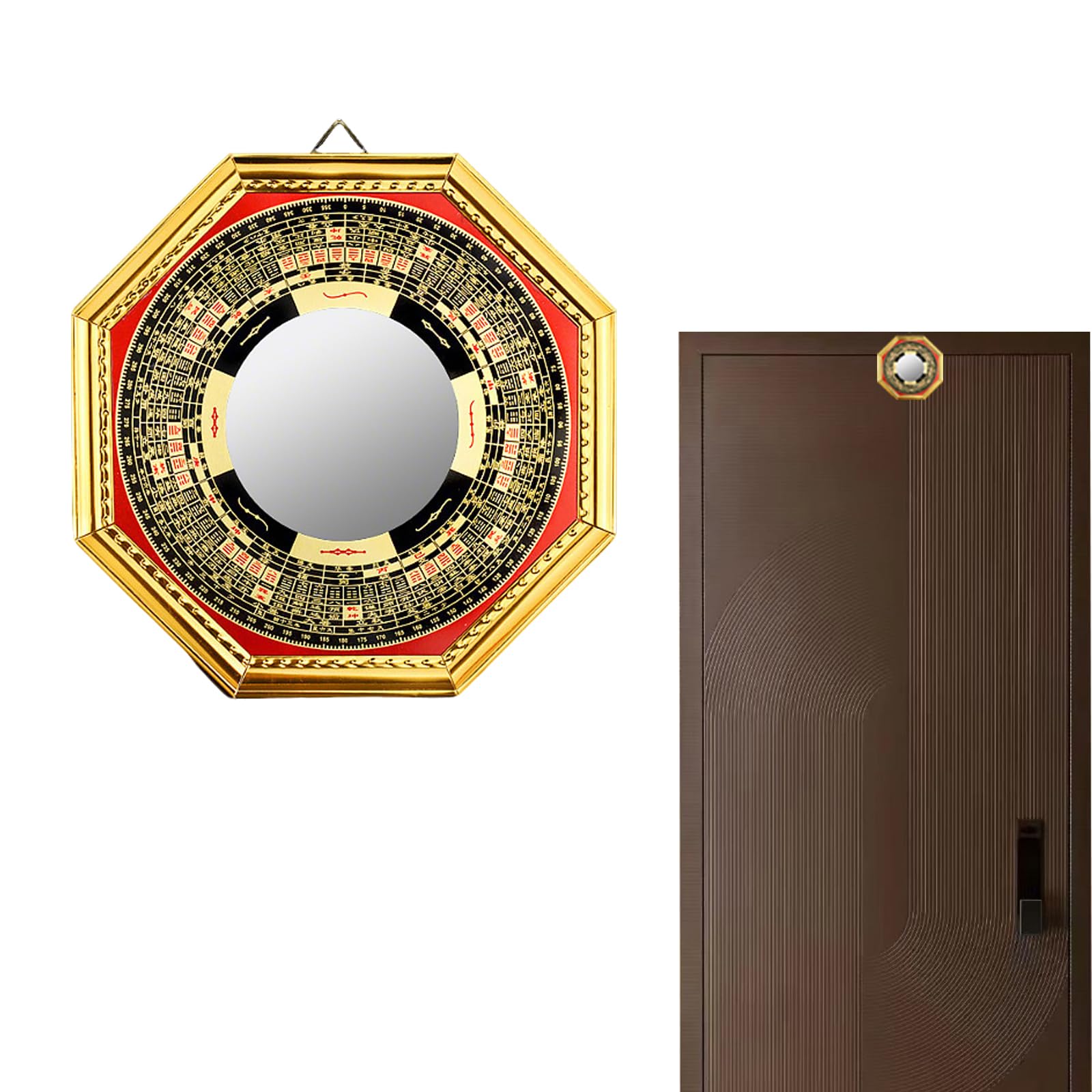
Among the various objects and adjustments feng shui recommends, a small convex mirror placed above a front door specifically to deflect negative energy is probably the single most commonly cited “cure” in beginner content — worth knowing what it actually is before assuming it’s just a Chinese-style decorative mirror.

Don’t skip straight to a compass reading

More advanced feng shui incorporates compass directions and a practitioner’s personal “kua number,” which is genuinely more complex than either book above covers on purpose. That level is worth exploring later, once the room-by-room and bagua-map basics are comfortable — not the place to start.


(Product recommendations below. As an Amazon Associate I earn from qualifying purchases — see the disclosure at the bottom of this page.)
Start here — free

Free — no affiliate link

Vonguul Zone — Web App

The browser-based version of our Human Design app — no download required.

Free — no affiliate link

Vonguul App — Free on Google Play (iOS coming soon)

Free to download. Test how in-alignment you are with your specific design via the Flux, see which current transits are affecting you with the Scanner, and get tips and cautions matched to your chart — all at no cost.

If you want to go deeper

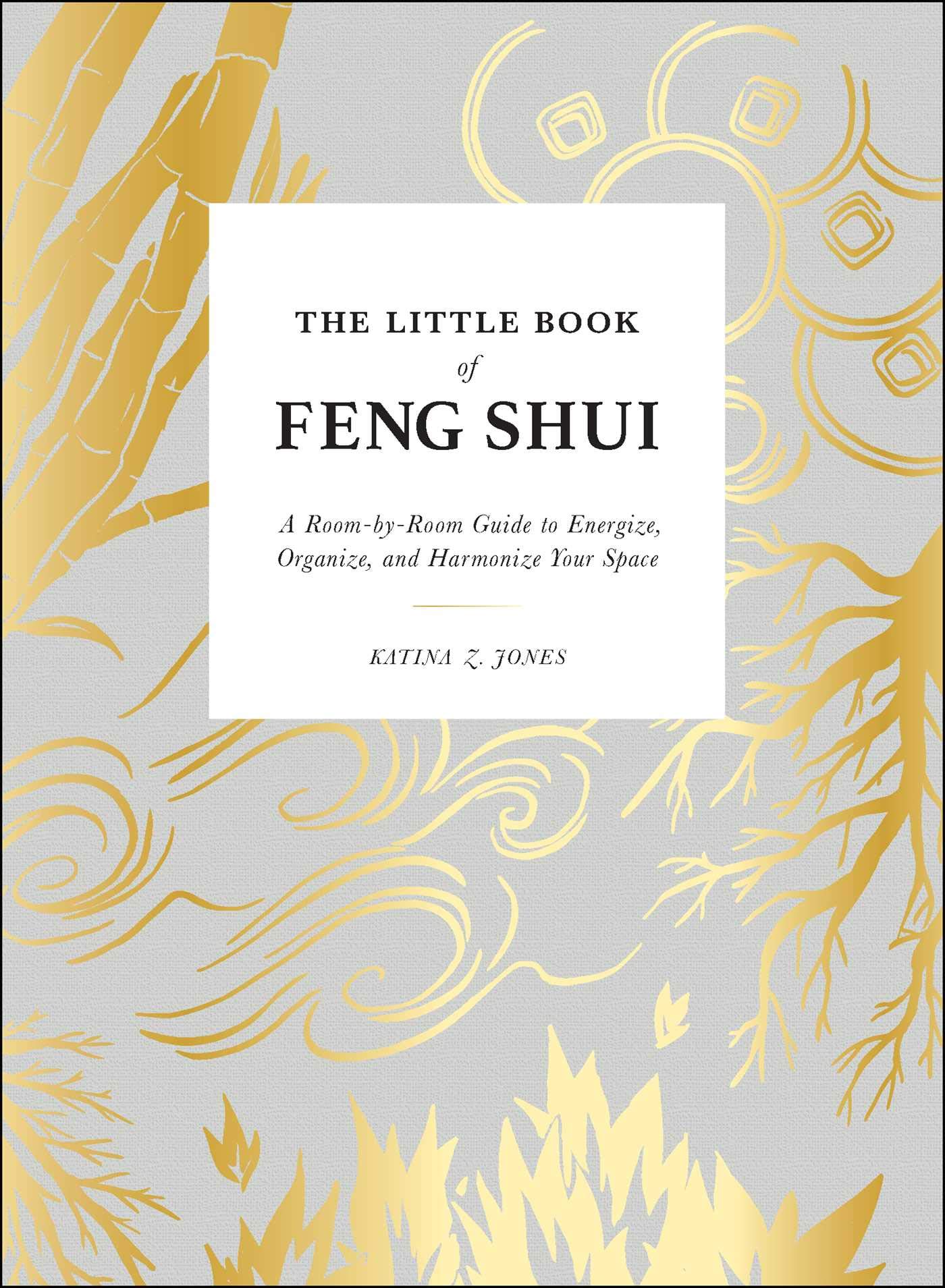
  • The Little Book of Feng Shui: A Room-by-Room Guide

    The Little Book of Feng Shui: A Room-by-Room Guide

    Organized by actual room instead of by abstract theory — the practical starting point, since most beginners want to know what to do with their bedroom or front entry, not memorize the five elements first.

    Check price on Amazon
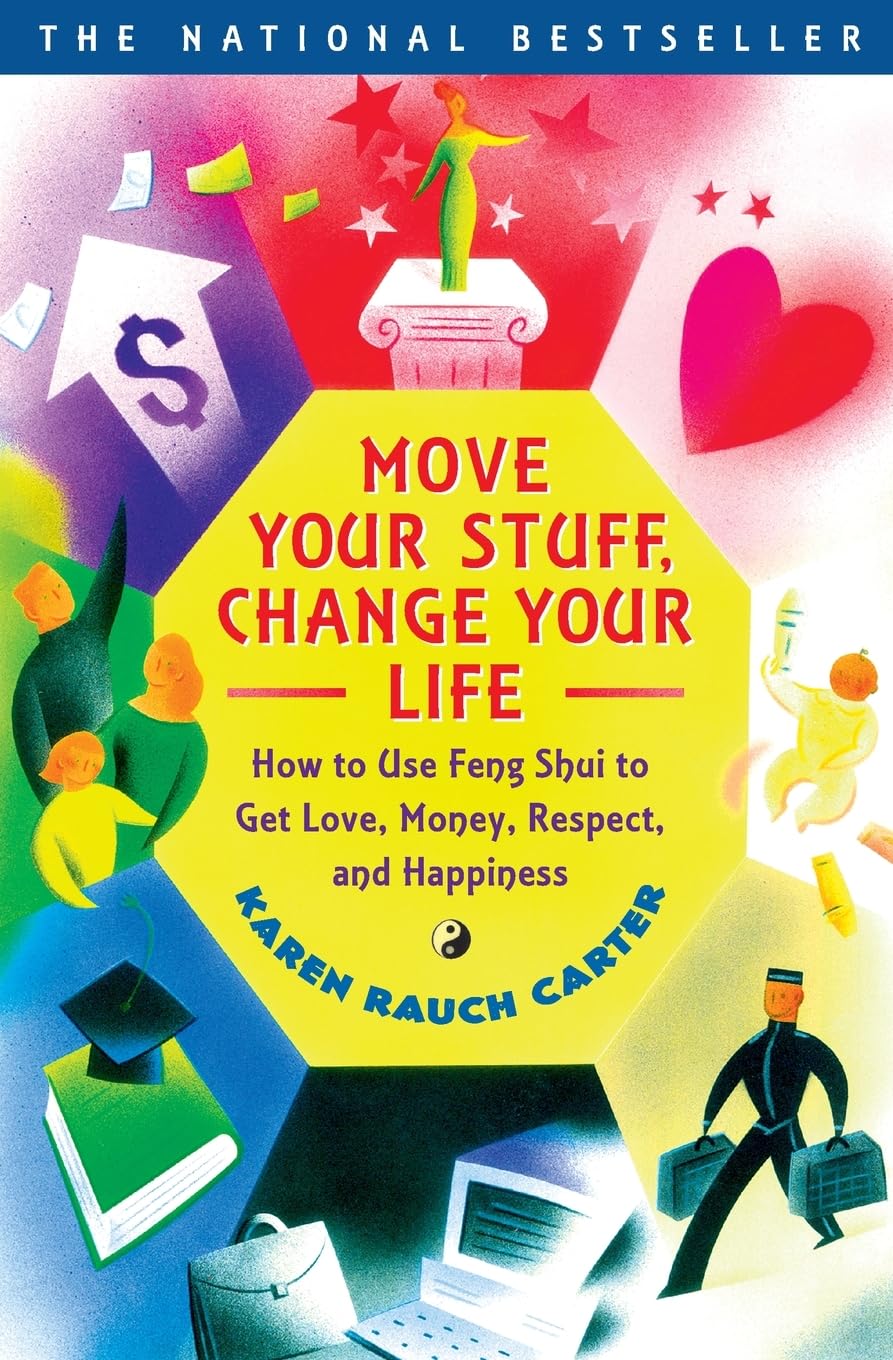
  • Move Your Stuff, Change Your Life

    Move Your Stuff, Change Your Life

    A different, life-area-based approach (the bagua map) rather than room-by-room — worth reading once the basics click, since it organizes a home by category (wealth, relationships, career) instead of by physical layout.

    Check price on Amazon
  • Bagua Mirror for Protection

    Bagua Mirror for Protection

    The most commonly referenced physical 'cure' in feng shui — a small convex mirror traditionally placed above an entry door, meant to deflect negative energy before it enters the home.

    Check price on Amazon

As an Amazon Associate I earn from qualifying purchases. This post may contain affiliate links, which means I may earn a small commission at no extra cost to you if you make a purchase through them. Free resources linked in this article are marked separately and carry no affiliate relationship.