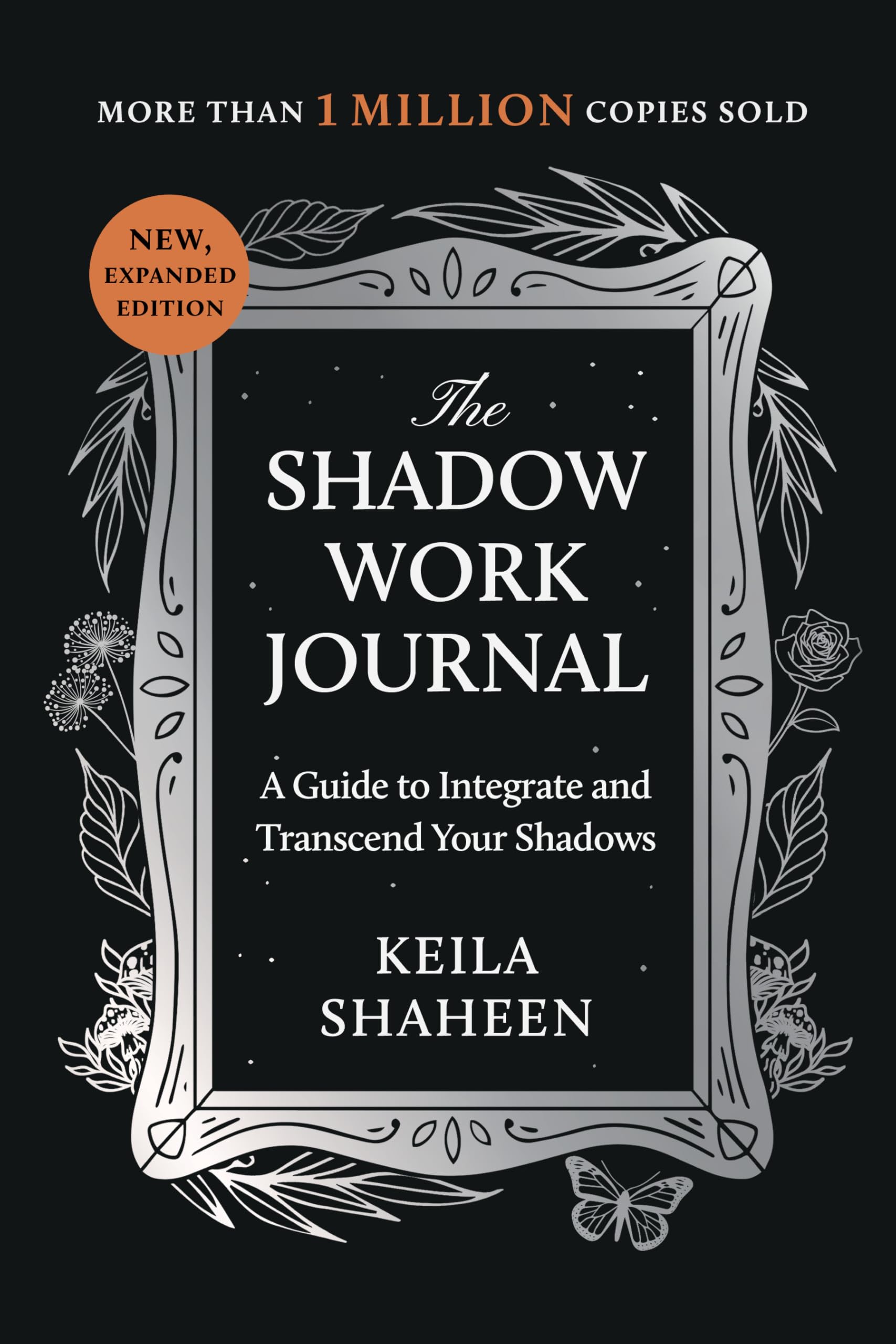
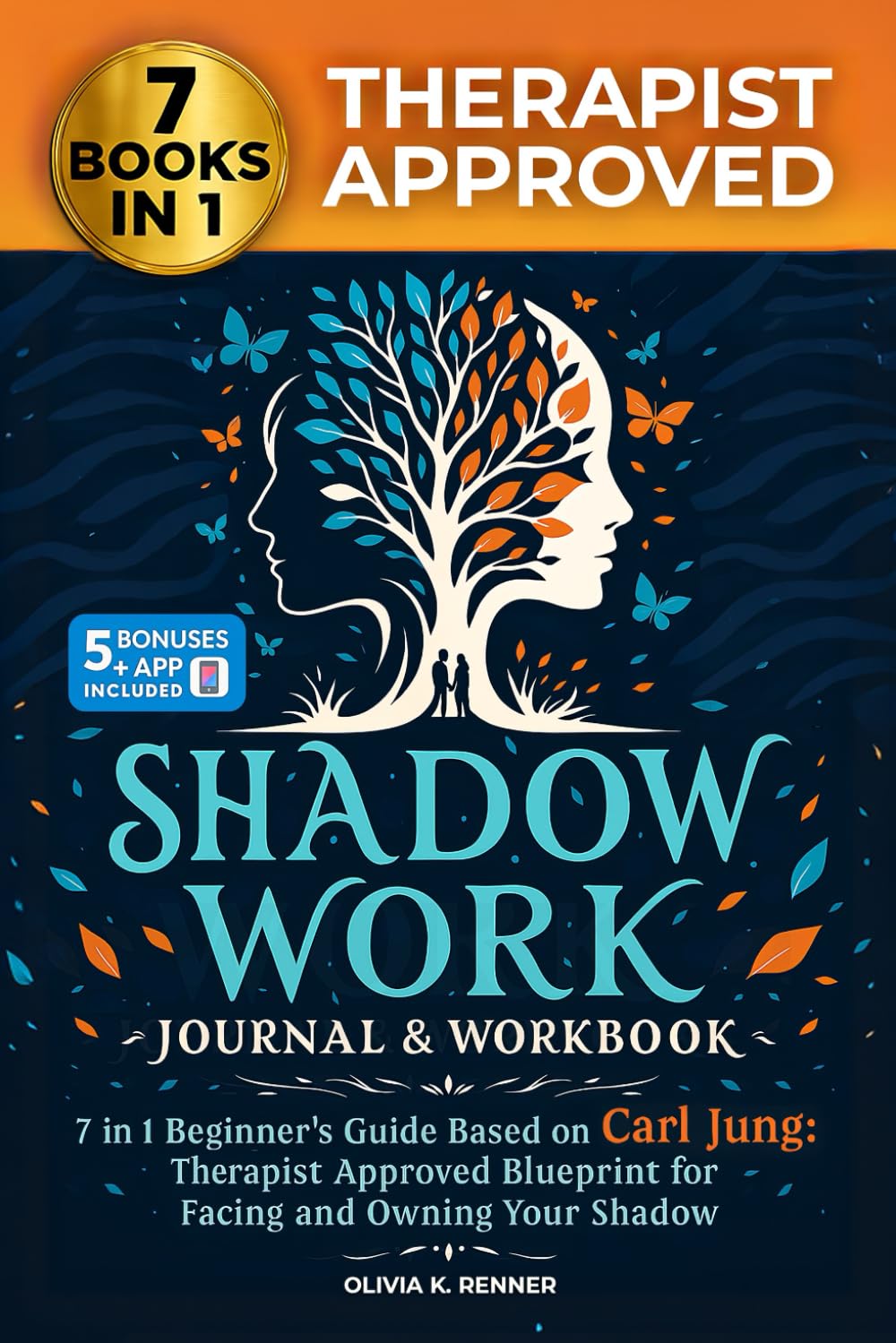
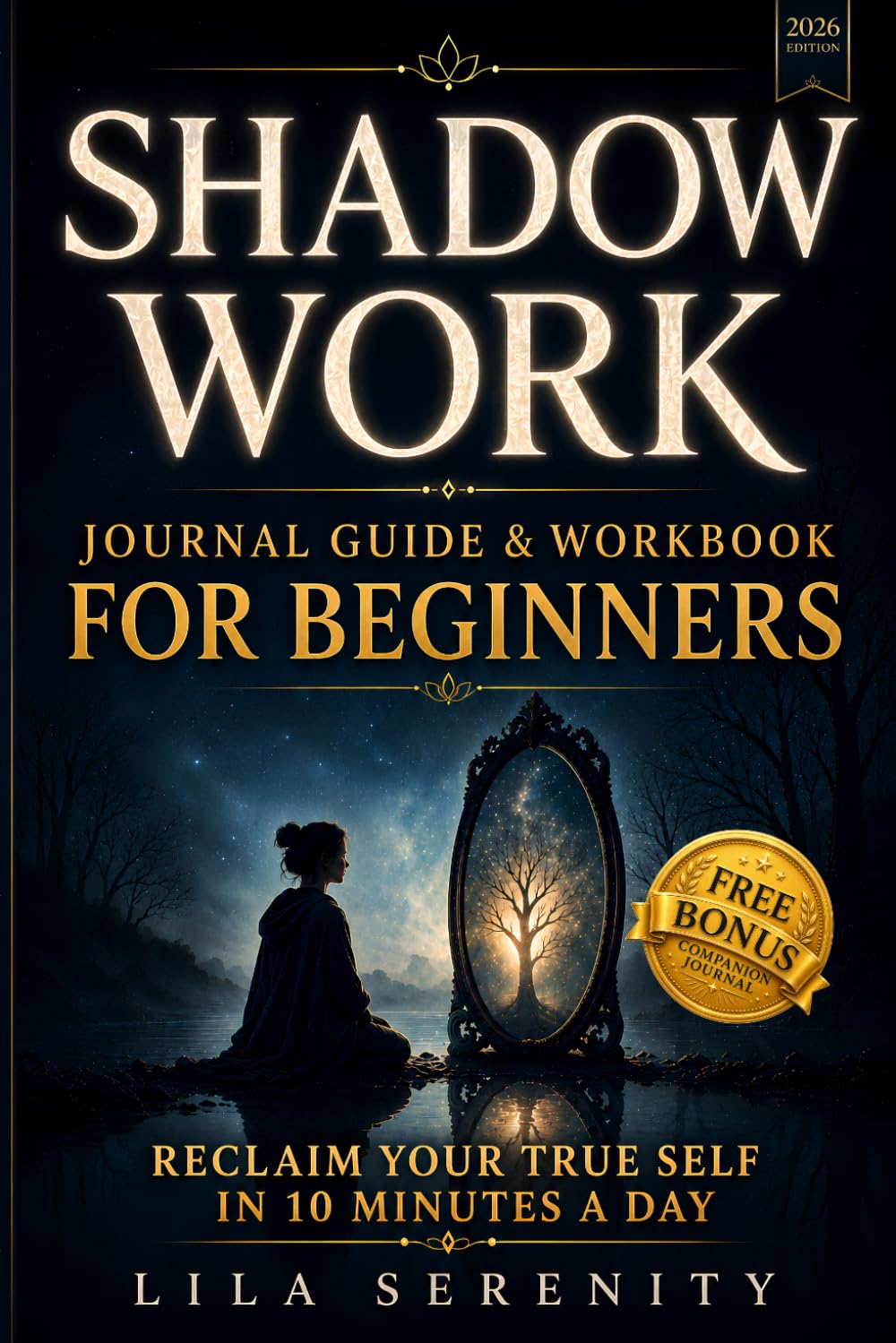
Shadow work comes from a real psychological concept, not internet self-help language — Carl Jung used “the shadow” to describe the parts of a person’s personality they unconsciously reject, suppress, or refuse to acknowledge, often because those parts conflict with how they see themselves. Shadow work, as a practice, means deliberately examining those hidden or denied parts instead of continuing to avoid them.
Worth saying plainly: this is a self-reflection practice, not therapy, and a workbook isn’t a substitute for one. If shadow work prompts bring up something that feels bigger than journaling can hold — significant trauma, ongoing distress — that’s a sign to bring it to an actual licensed therapist, not push through it alone with a book.
Start with structured prompts, not a blank page
Being told to “examine your shadow” with no further guidance is one of the fastest ways to stall out before starting. A structured journal with specific, sequenced prompts gives the practice actual shape — questions that build on each other rather than a blank page and good intentions.
Understanding Jung’s actual concept helps the prompts make sense
Knowing that “shadow” specifically means the parts of yourself you’ve pushed out of conscious awareness — not just “your flaws” broadly — changes how a prompt like “what do you judge most harshly in others” actually lands. People often unconsciously judge in others exactly what they’ve suppressed in themselves; that’s the real mechanic a Jung-grounded workbook is built around.
Small and consistent beats long and occasional
Shadow work can feel heavy, which is exactly why a lot of people buy a deep workbook, do one intense session, and never open it again. A shorter daily format is a genuinely different, more sustainable approach for building this into an actual ongoing habit instead of a one-time confrontation.
(Product recommendations below. As an Amazon Associate I earn from qualifying purchases — see the disclosure at the bottom of this page.)