Runes are a Germanic and Norse alphabet that doubled as a divination system — 24 characters in the Elder Futhark, the oldest and most common version, each carrying both a phonetic sound and a broader symbolic meaning. A rune reading works by drawing stones (often from a bag, unseen) and interpreting the combination, similar in spirit to a tarot draw but with a much smaller, denser symbol set.
Learn the 24 symbols before drawing anything
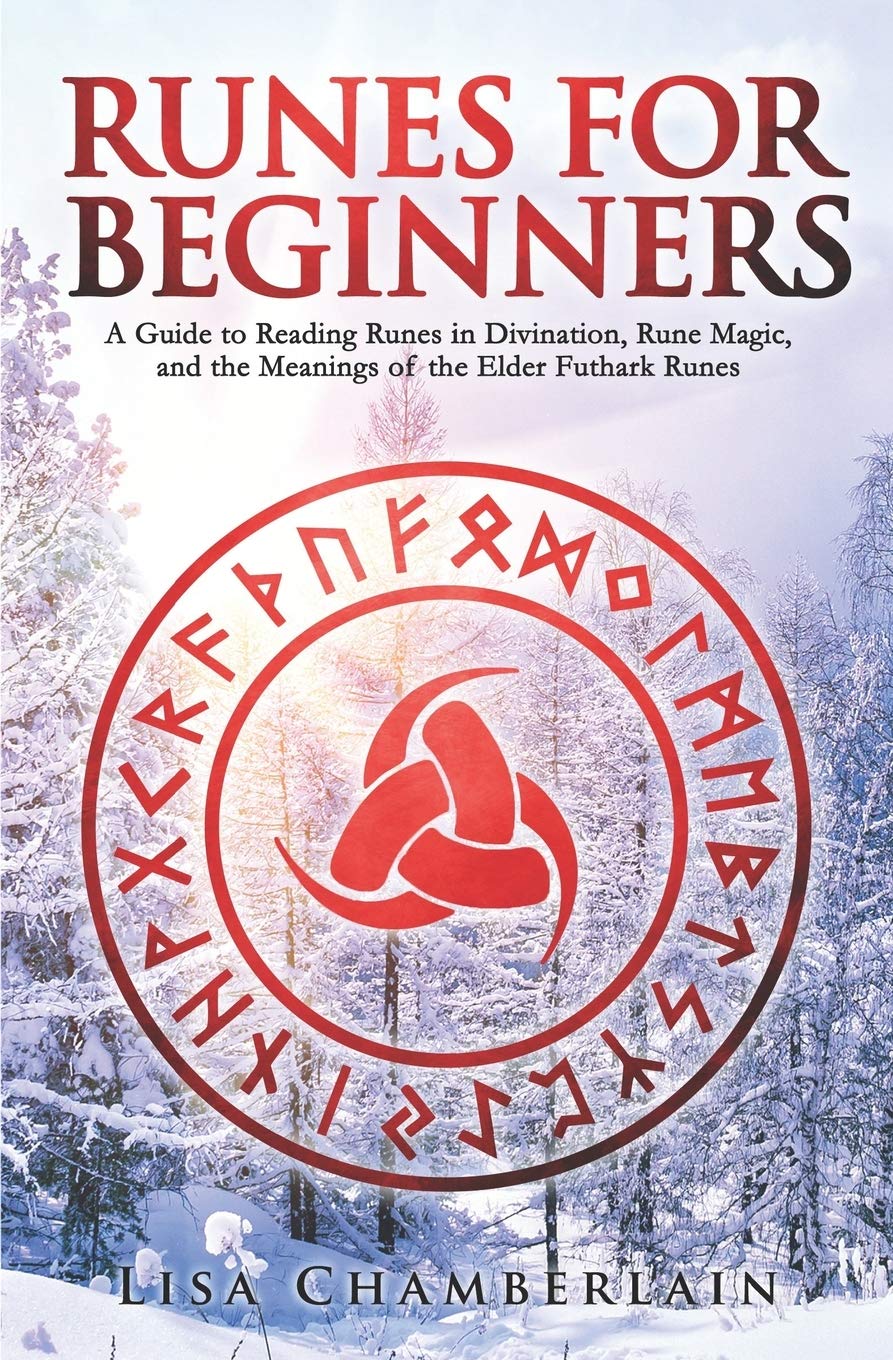
Unlike tarot’s 78 cards with rich illustrated scenes to lean on, runes are simple carved or painted marks — the meaning has to actually be learned, not read off the image. A beginner book that introduces the alphabet in a sensible order (rather than all 24 at once) makes this a lot more approachable than starting cold with a stone set and no context.
The blank rune is part of the traditional set
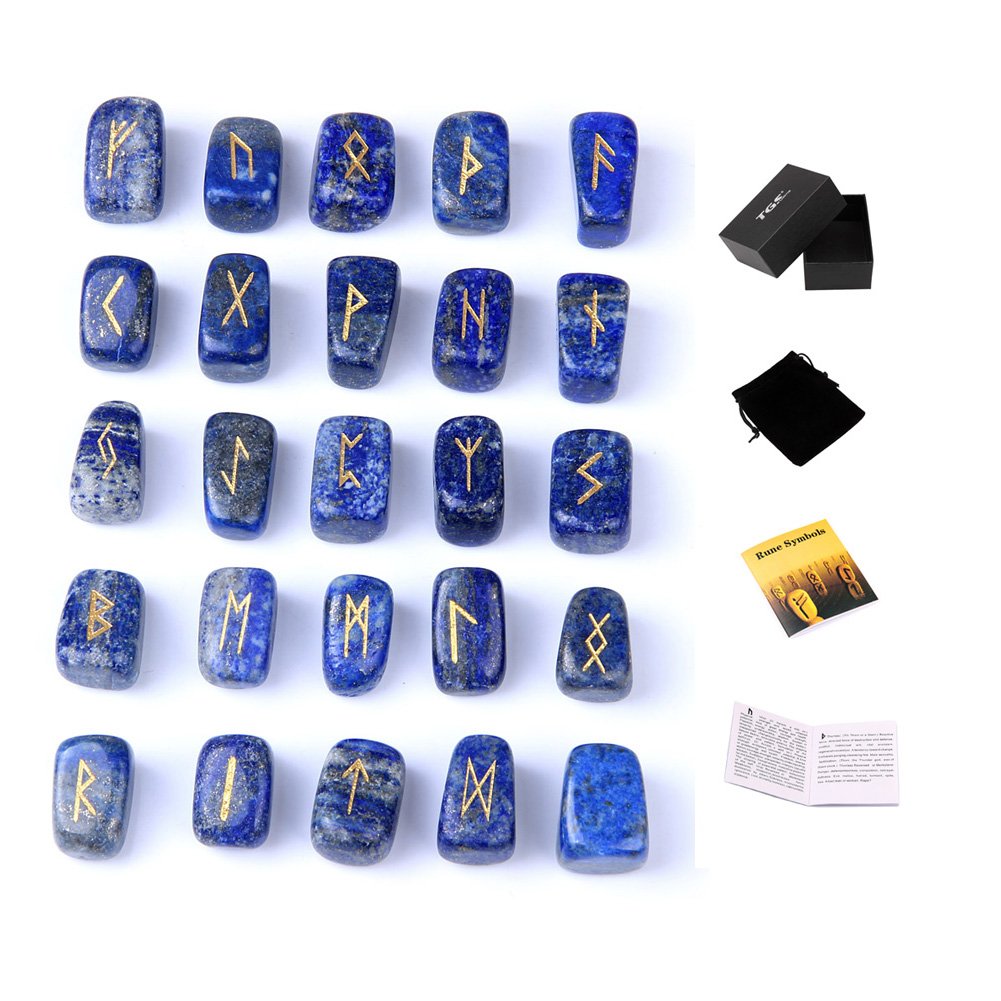
Most authentic sets include 25 stones, not 24 — the 25th is left blank, representing the unknowable or fate itself. A cheaper set that’s missing this stone, or that doesn’t mention it, is usually a sign the maker didn’t research the tradition closely, which is worth checking before buying.
Start on wood, upgrade the material later
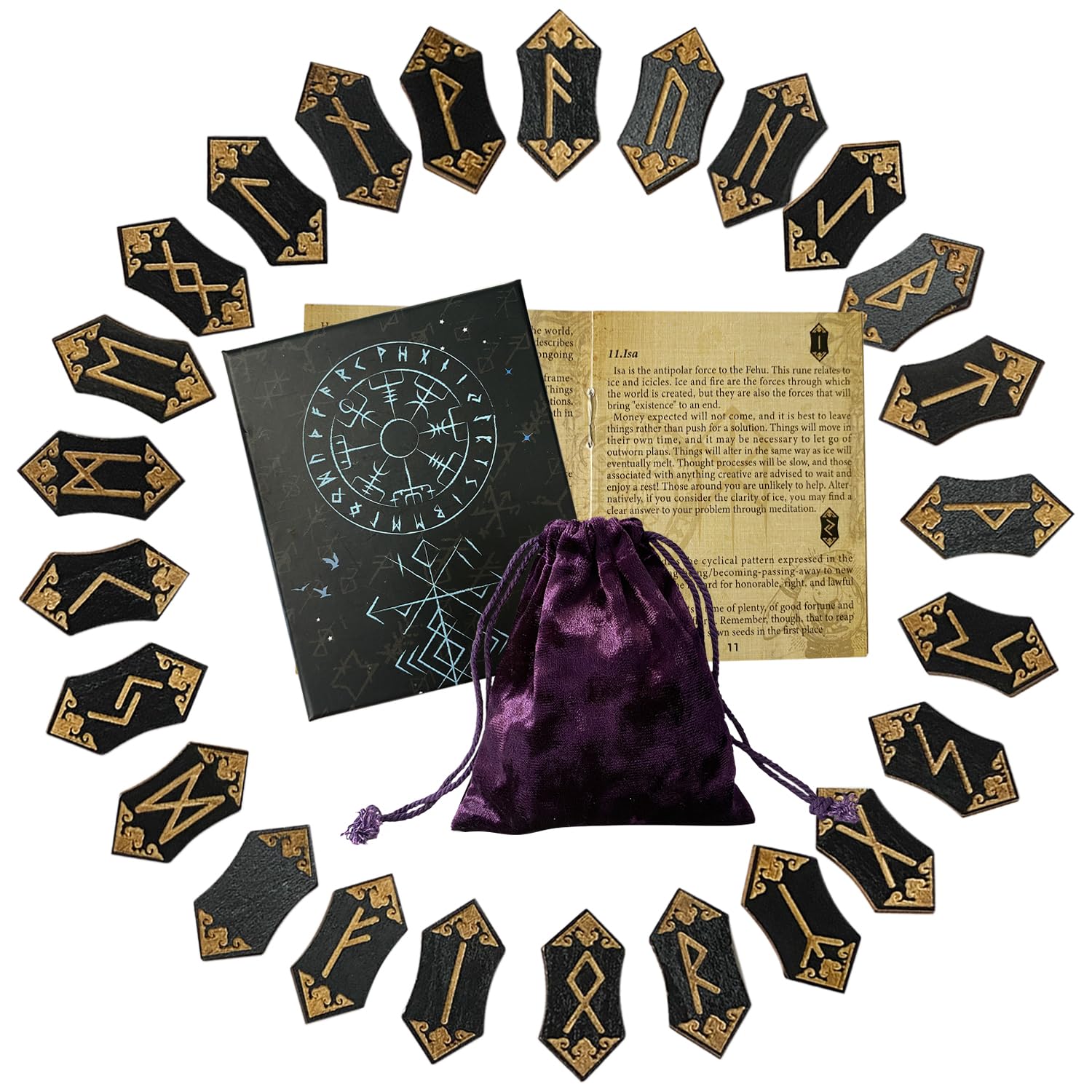
What a rune is carved into doesn’t change its meaning, so there’s no real reason to start with an expensive stone set before you know whether reading runes is something you’ll stick with. Wood is the traditional, accessible material to learn on.
Move to a real material once the symbols are second nature
Once you’re not stopping to look up what a symbol means mid-reading, a set carved into a real stone like lapis lazuli is a genuine upgrade in look and feel — the same 24 runes and blank stone, just a nicer object to actually work with.
(Product recommendations below. As an Amazon Associate I earn from qualifying purchases — see the disclosure at the bottom of this page.)