Reiki is a Japanese energy-healing practice built around channeling energy through the practitioner’s hands, traditionally taught in a formal three-level system (Level I, Level II, and Master/Teacher) through an in-person or verified remote attunement. That’s worth knowing upfront: a book teaches you the theory and hand positions, but a real Reiki “attunement” — the piece that traditionally transfers the ability to channel energy — comes from a certified teacher, not a product page.
What you can genuinely practice before an attunement
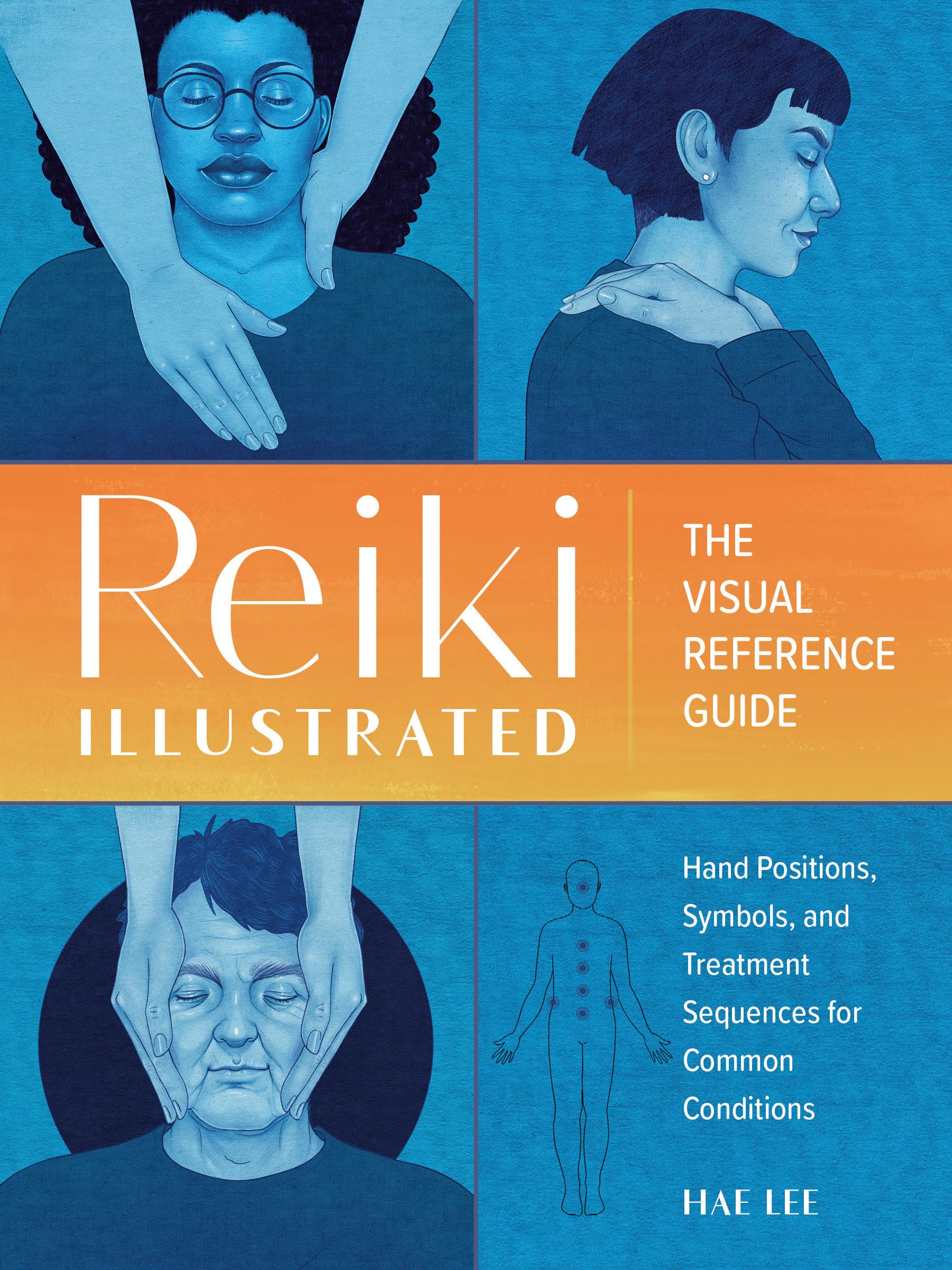
Even without a formal attunement, the self-healing hand positions themselves — placing hands on or near specific areas of your own body in a deliberate sequence — are worth learning and practicing as a grounding, intentional practice on their own. A visual reference guide is more useful here than a purely theoretical book, since the actual positions matter more than the history at this stage.
Understand the levels before committing to one
Level I traditionally focuses on self-healing and hands-on practice for others, Level II introduces symbols and distance healing, and Master/Teacher level is for those planning to attune others themselves. Knowing this structure ahead of time means you can find a teacher offering the specific level you’re actually looking for, rather than committing to a class without knowing what it covers.
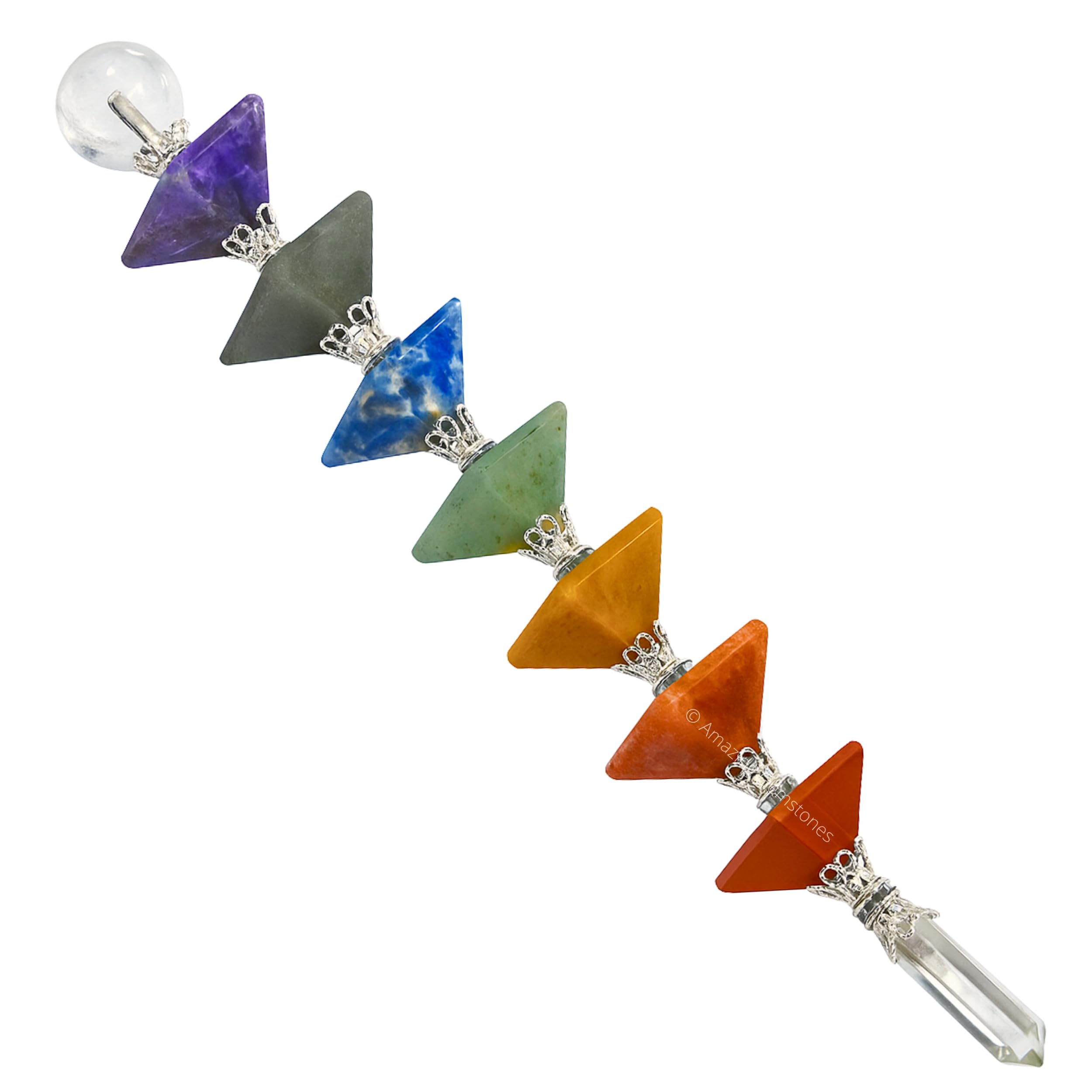
A crystal wand is a genuine optional extra, not a requirement
Some practitioners incorporate a crystal wand as a way to focus attention and direct movement more deliberately during a self-treatment, but it’s an addition to hands-on technique, not a substitute for it — the actual practice works with hands alone, the way it’s traditionally taught.
(Product recommendations below. As an Amazon Associate I earn from qualifying purchases — see the disclosure at the bottom of this page.)