Oracle cards get lumped in with tarot constantly, but they’re structurally a different thing. Tarot is a fixed 78-card system — the same Major and Minor Arcana structure no matter which deck you buy — while an oracle deck can have any number of cards, any theme, and any structure the creator wants. That flexibility is exactly why oracle decks vary so much from one to the next.
No fixed structure means no fixed meanings to memorize
Because tarot always has the same 78 cards, its meanings are broadly consistent across different decks and can be studied from any tarot reference book. An oracle deck’s meanings are specific to that particular deck — the guidebook that comes with it is the actual reference, not a general oracle card book, because a different oracle deck will mean something completely different for the same-looking card.
This makes oracle decks a genuinely easier entry point
Without 78 fixed meanings to learn, an oracle deck can be picked up and used meaningfully on day one, guided by its own included booklet rather than months of study. This is the real reason oracle cards are often recommended as a gentler starting point than tarot for someone new to card-based reflection.
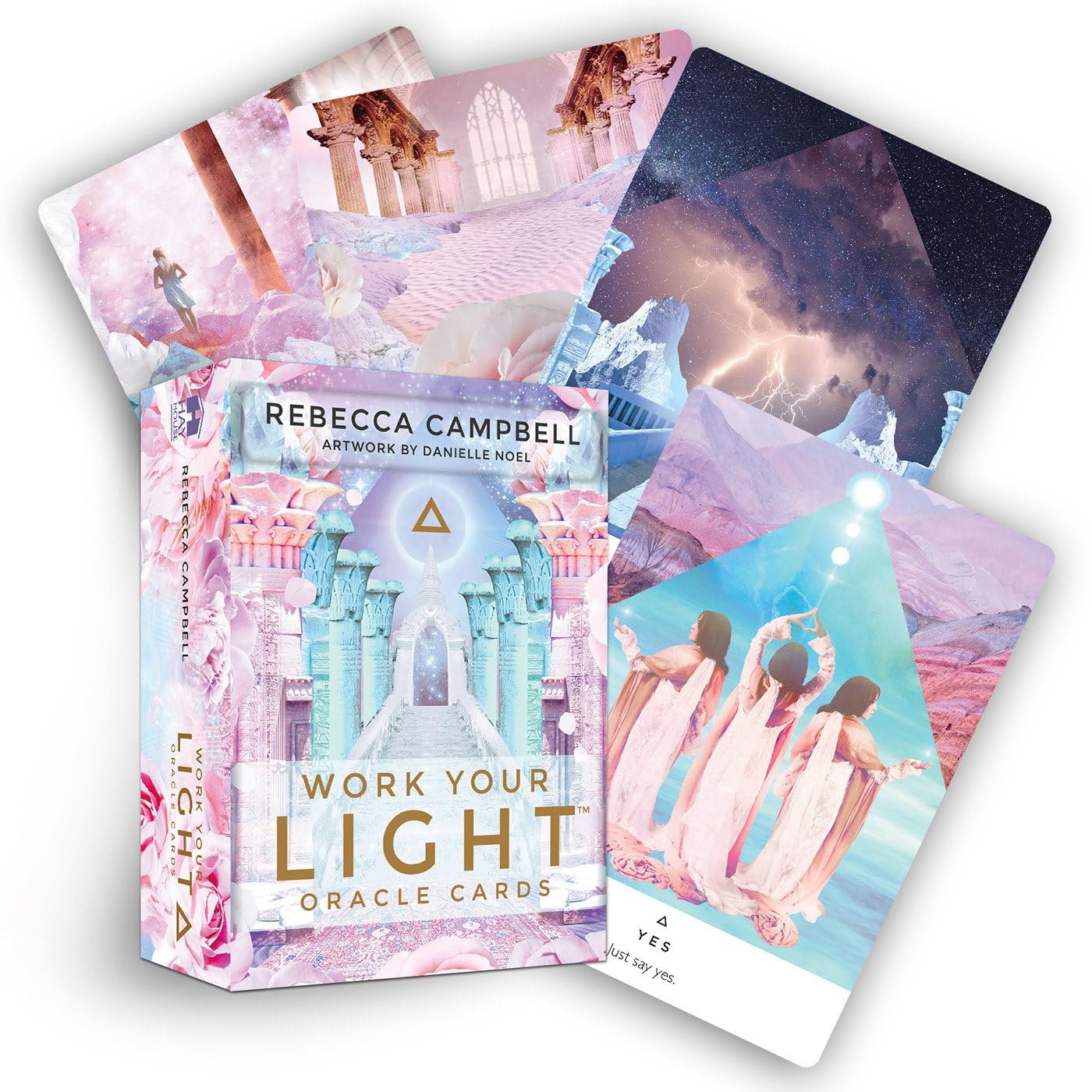
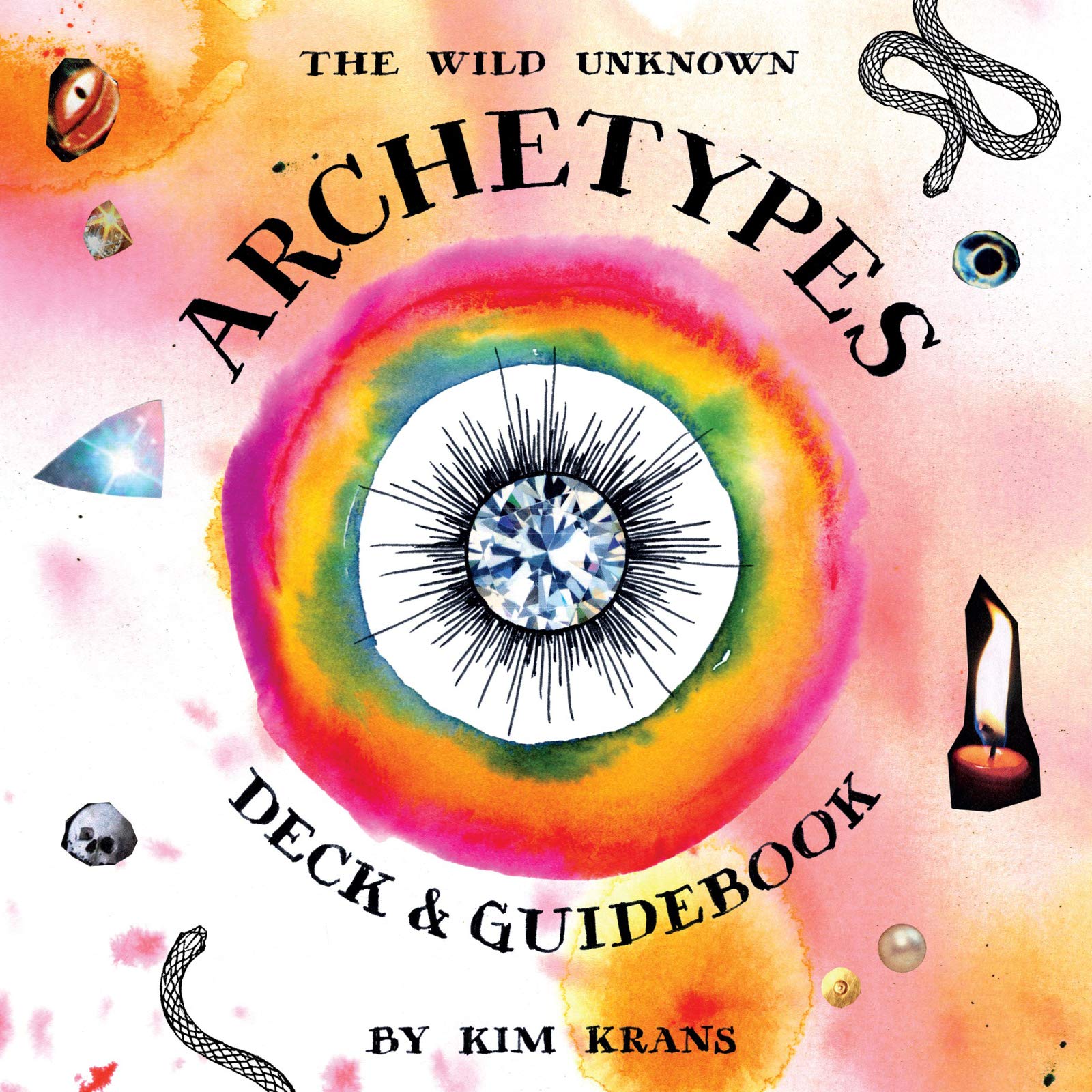
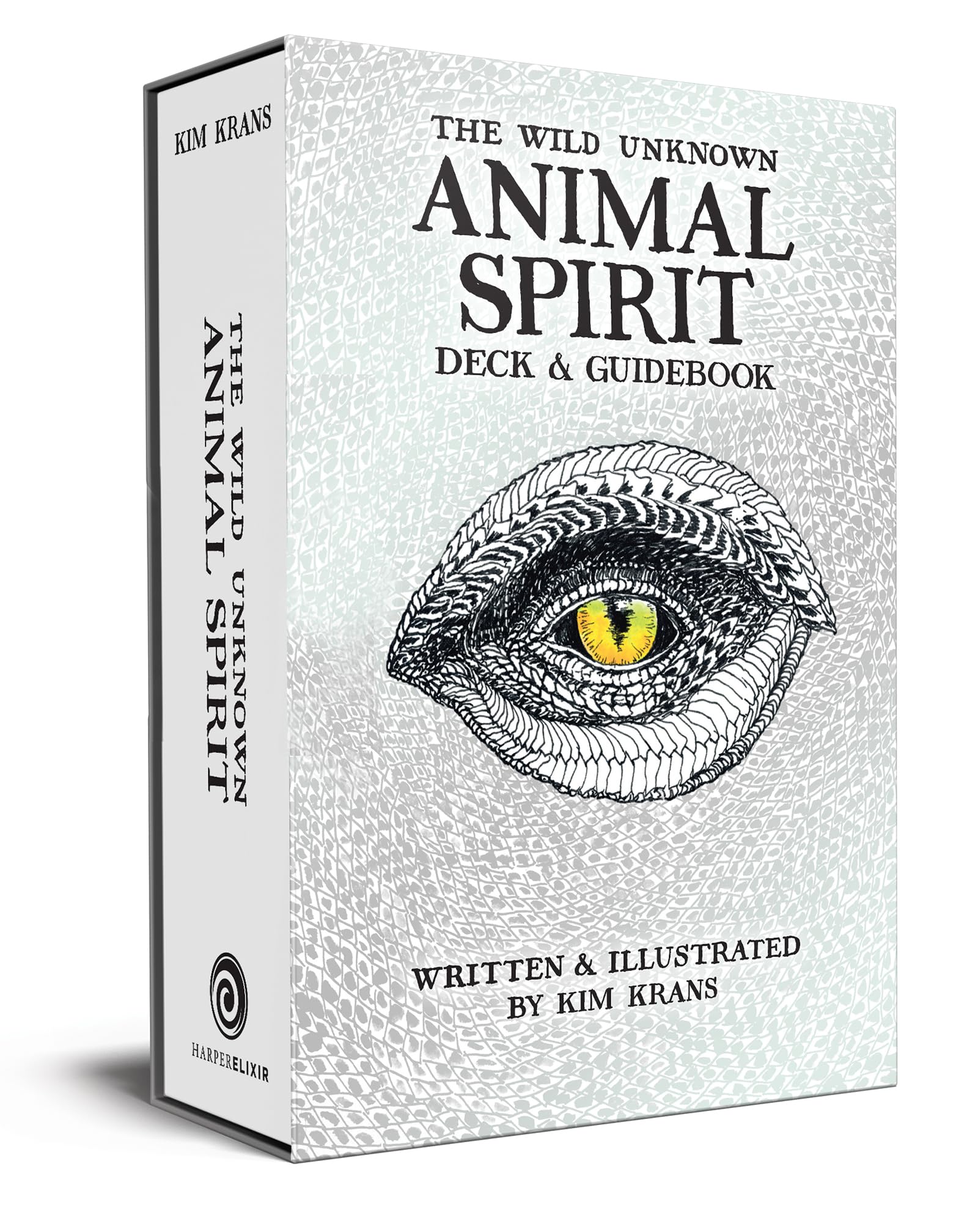
The three decks above show the actual range
A general-guidance deck, an archetype-based deck, and an animal-totem deck are three genuinely different structures within the same broad “oracle cards” label — which is worth seeing directly rather than assuming all oracle decks work the same way tarot does.
Pick based on what you actually want from a reading
Since there’s no universal structure, the right first oracle deck depends entirely on what kind of reflection appeals to you — direct affirming guidance, abstract psychological themes, or animal symbolism — rather than one deck being the objectively “correct” beginner choice the way the Rider-Waite is for tarot.
(Product recommendations below. As an Amazon Associate I earn from qualifying purchases — see the disclosure at the bottom of this page.)