The moon phases are one of the few things in this whole topic area with an actual, measurable mechanism behind them: the moon’s gravity genuinely pulls on the Earth’s oceans, tides shift on a predictable schedule tied to lunar position, and moonlight measurably changes at night depending on the phase. What doesn’t hold up is the extra layer usually stacked on top — that a full moon changes your mood, your fertility, or your ability to manifest. The four products below lean on the part of moon tracking that’s actually useful: giving a recurring, natural cycle a consistent ritual and a reason to pause once every couple of weeks.
Worth being direct about, same as everything else here
The moon’s gravitational pull on tides is real, well-understood physics — no argument there. Claims that lunar phases measurably affect human mood, sleep, or fertility are much shakier; the research is mixed at best, and popular claims about a “full moon effect” haven’t held up well under closer study. What a lunar practice reliably gives you is something else entirely: a fixed, recurring checkpoint roughly every two weeks to pause and reflect, which is a genuinely useful habit whether or not the moon itself is doing anything to you directly.
Give the cycle a place to land
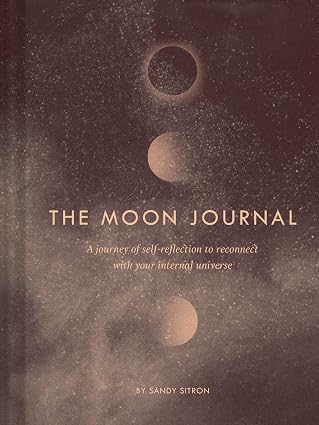
A lunar practice without any structure to follow tends to fade out after the first month, the same way “meditate more” rarely survives without a specific plan. A guided journal that ties one reflection prompt to each phase of the cycle keeps giving you a next step, so there’s always something concrete to do instead of a vague intention to “check in with the moon.”
Make the moon something you actually see
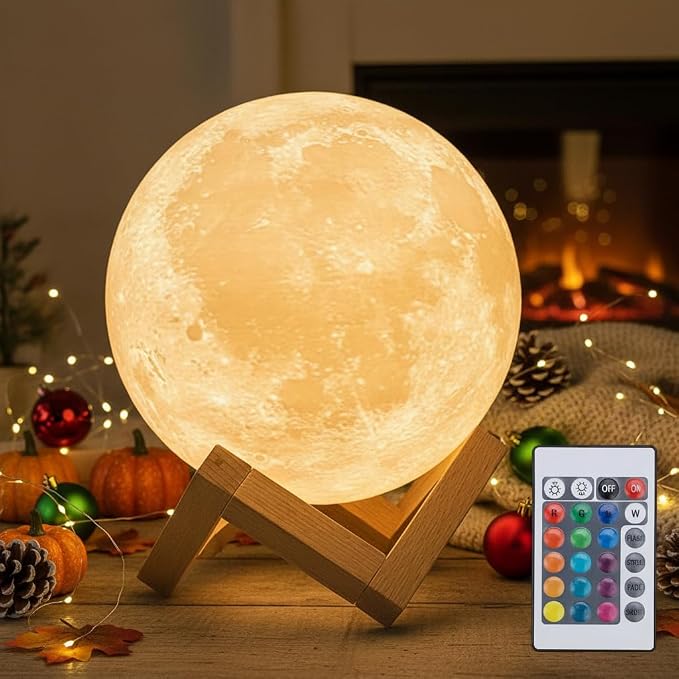
The real moon is out of sight most nights, hidden by clouds, city light, or just being asleep before it rises. A lamp printed from actual lunar surface data puts a physical, glowing moon on a shelf where it’s visible every night regardless of weather, which makes it a far more reliable cue for a nightly practice than remembering to check a phase app.
Give the ritual a fixed spot
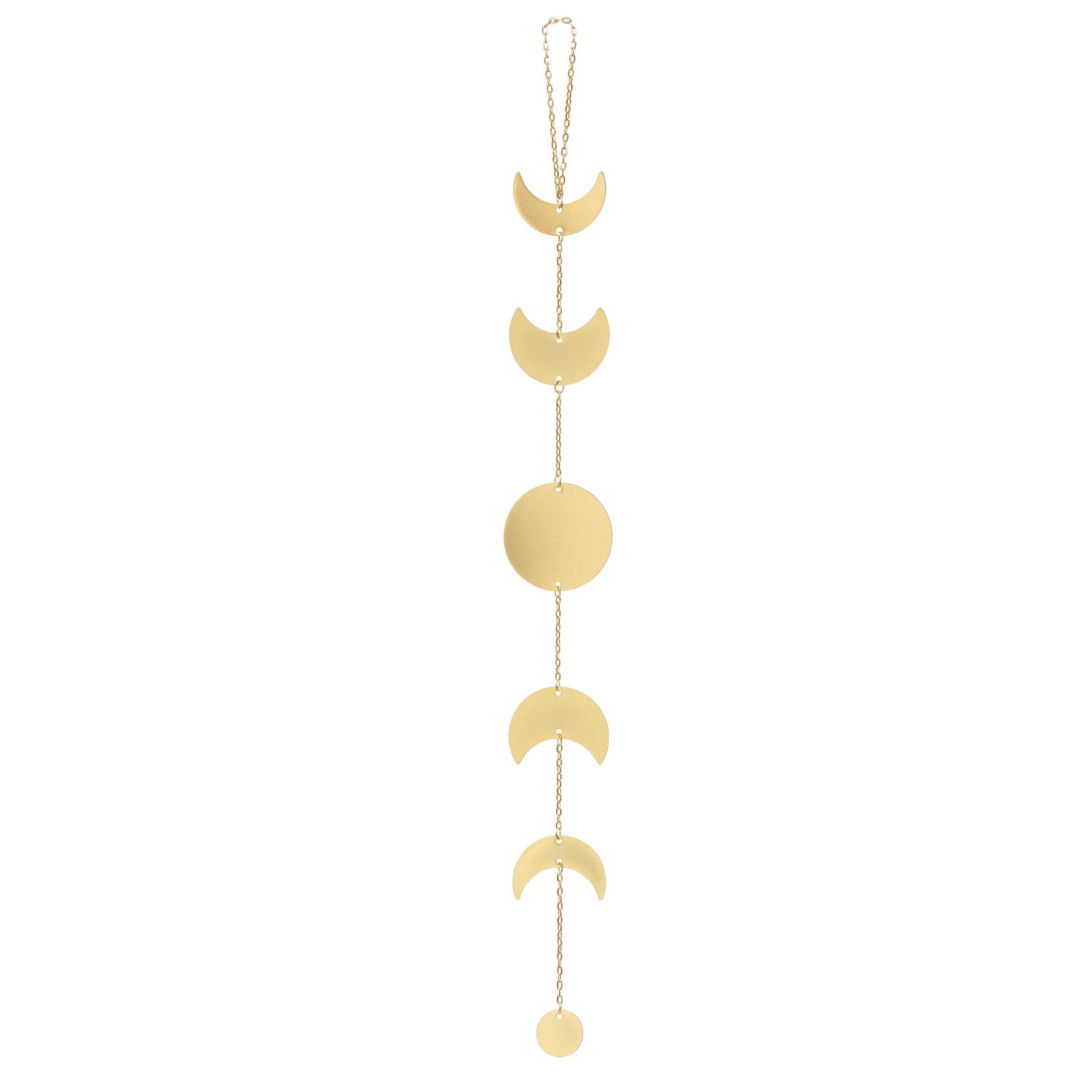
A ritual needs a consistent physical space to actually stick, the same reason equipment left in a random corner of a room rarely gets used regularly. Marking out a small altar, reading nook, or shelf with something moon-specific turns “I should do a moon ritual sometime” into an actual place you walk toward on schedule.
The one purely factual pick on this list
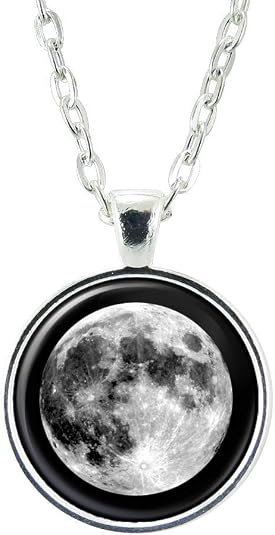
A custom moon phase necklace isn’t symbolic guesswork — it’s built from the real, calculable position of the moon on an exact date, the same kind of calculation an astronomer would run. A birthday or anniversary moon phase is a fact about the sky that night, which makes it a genuinely accurate keepsake instead of a spiritual approximation.