Magical Herbs for Beginners: What's Safe, What's Not, and What to Actually Buy

As an Amazon Associate I earn from qualifying purchases. This post may contain affiliate links, which means I may earn a small commission at no extra cost to you if you make a purchase through them. Free resources linked in this article are marked separately and carry no affiliate relationship.

Herbs are different from everything else on this site: crystals, tarot, and pendulums don’t have real physiological effects one way or another, but plants genuinely do. Some interact with medications, some are unsafe during pregnancy, and some are simply toxic if the wrong part is ingested. This is the one category here where “it’s just for personal reflection” isn’t a strong enough safety net on its own.

Read the NIH resource before doing anything with a specific herb

Before burning, brewing, or otherwise using any specific herb, check it against the free NIH reference above. This matters most if you’re on any medication, pregnant, breastfeeding, or managing a health condition — herb-drug interactions are real and not always intuitive (St. John’s Wort, for example, interferes with a long list of common prescriptions).

Craft/ritual use vs. ingestion are different questions

A bag of dried botanicals sold for “spell jars and candle making” is not the same product as culinary-grade dried herbs sold for tea, even when it’s technically the same plant. Craft-grade herbs aren’t held to food-safety standards. If you want to drink an herbal tea as part of a practice, buy actual food-grade herbs from a grocery or spice retailer — don’t assume a witchcraft-supply bag is safe to ingest just because the plant name matches.

The white sage problem, and what to use instead

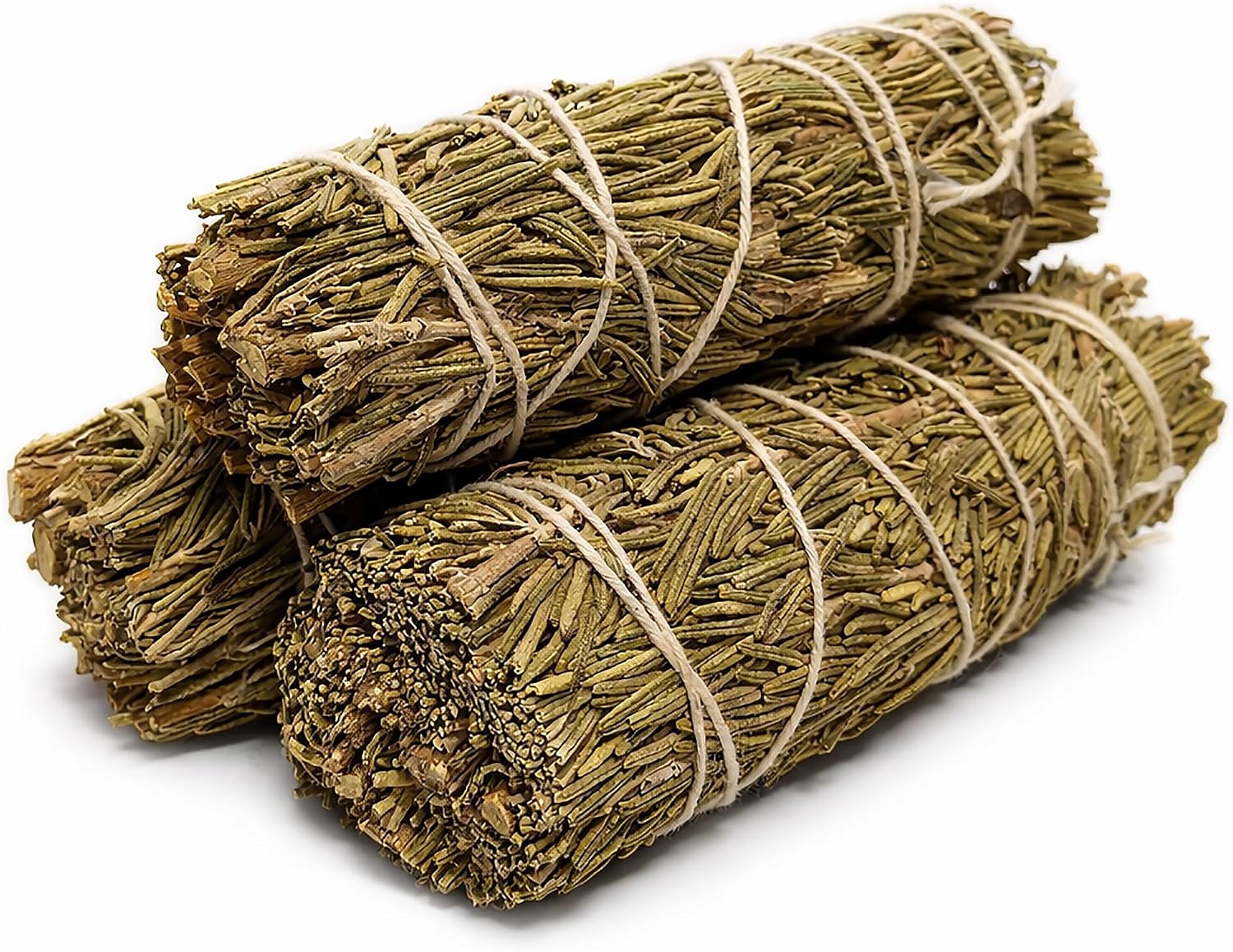
Smoke cleansing with white sage has become hugely popular, and that popularity has a real cost: wild white sage in its native habitat has faced serious overharvesting pressure, and the specific practice of “smudging” carries real spiritual significance in specific Indigenous traditions that many practitioners have asked non-Native people not to appropriate. None of that means smoke cleansing itself is off-limits — rosemary, cedar, and other easily cultivated plants serve the same practical purpose without either the sustainability problem or the cultural one. It’s a genuinely easy swap that costs nothing extra.

Where the folklore reference fits in

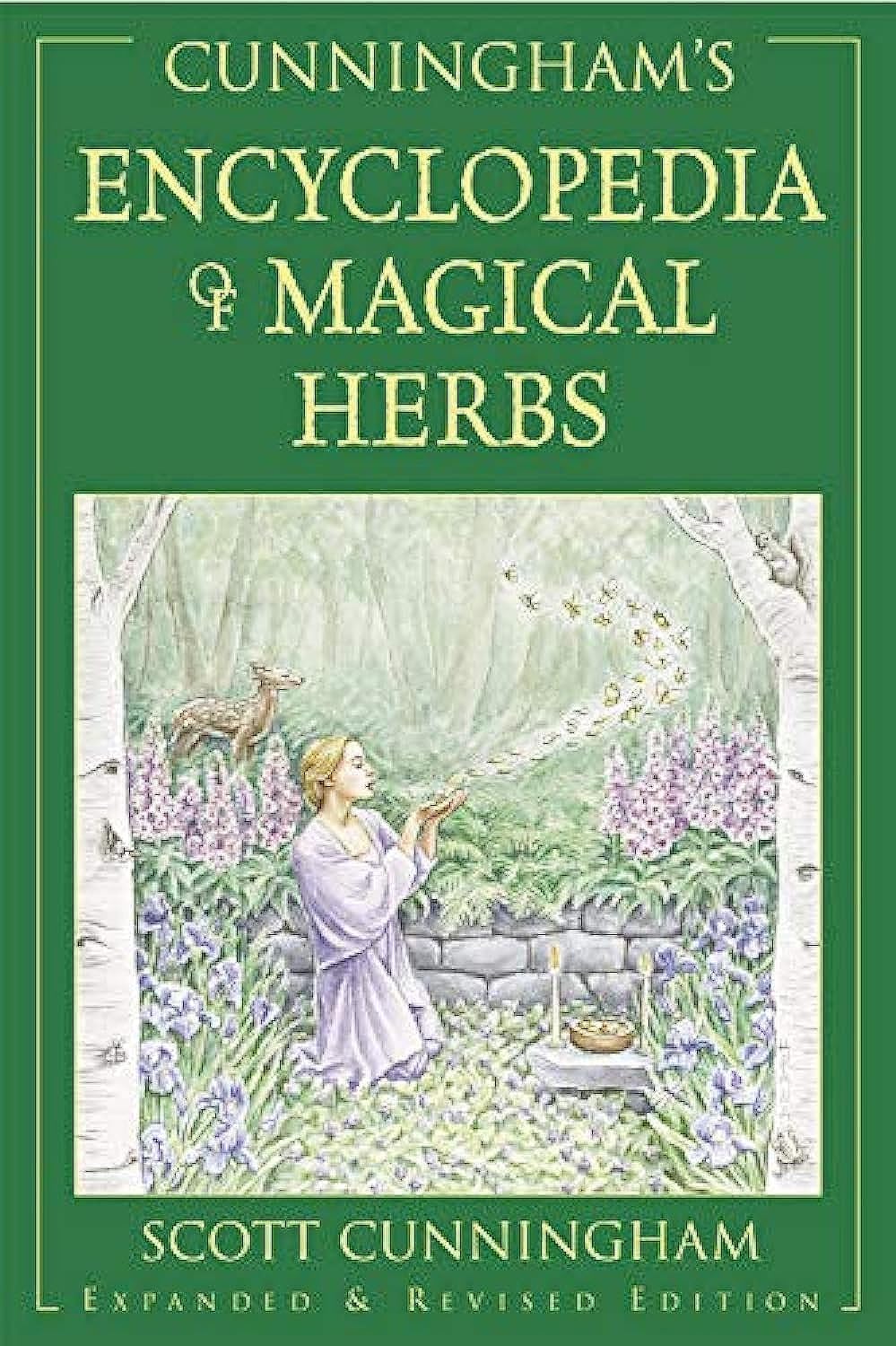
Cunningham’s book is the right place to look up what a given herb is traditionally associated with — protection, love, cleansing, and so on. It is not a safety or dosage reference, and was never written as one; pair it with the NIH page above rather than treating it as the only source you check before using something.
Start here — free

Free — no affiliate link

NCCIH (NIH) — Herbs at a Glance

The National Institutes of Health's free, plain-language safety reference on individual herbs — drug interactions, side effects, what's actually been studied. Read this before ingesting or burning anything, not after.

Free — no affiliate link

Vonguul Zone — Web App

The browser-based version of our Human Design app — no download required.

Free — no affiliate link

Vonguul App — Free on Google Play (iOS coming soon)

Free to download. Test how in-alignment you are with your specific design via the Flux, see which current transits are affecting you with the Scanner, and get tips and cautions matched to your chart — all at no cost.

If you want to go deeper

  • Cunningham's Encyclopedia of Magical Herbs — Scott Cunningham

    Cunningham's Encyclopedia of Magical Herbs — Scott Cunningham

    The standard reference for the folkloric/magical associations of herbs specifically — not a medical or dosage guide. Use it for tradition and correspondence, and the NIH resource above for anything about safety or ingestion.

    Check price on Amazon
  • Rosemary Smudge Sticks (White-Sage-Free Alternative)

    Rosemary Smudge Sticks (White-Sage-Free Alternative)

    See the sourcing note below before buying any smoke-cleansing bundle — wild-harvested white sage has real sustainability and cultural concerns worth knowing about. Rosemary is a widely used, easily cultivated alternative. Check the specific listing's exact ingredients before buying, since sourcing varies.

    Check price on Amazon
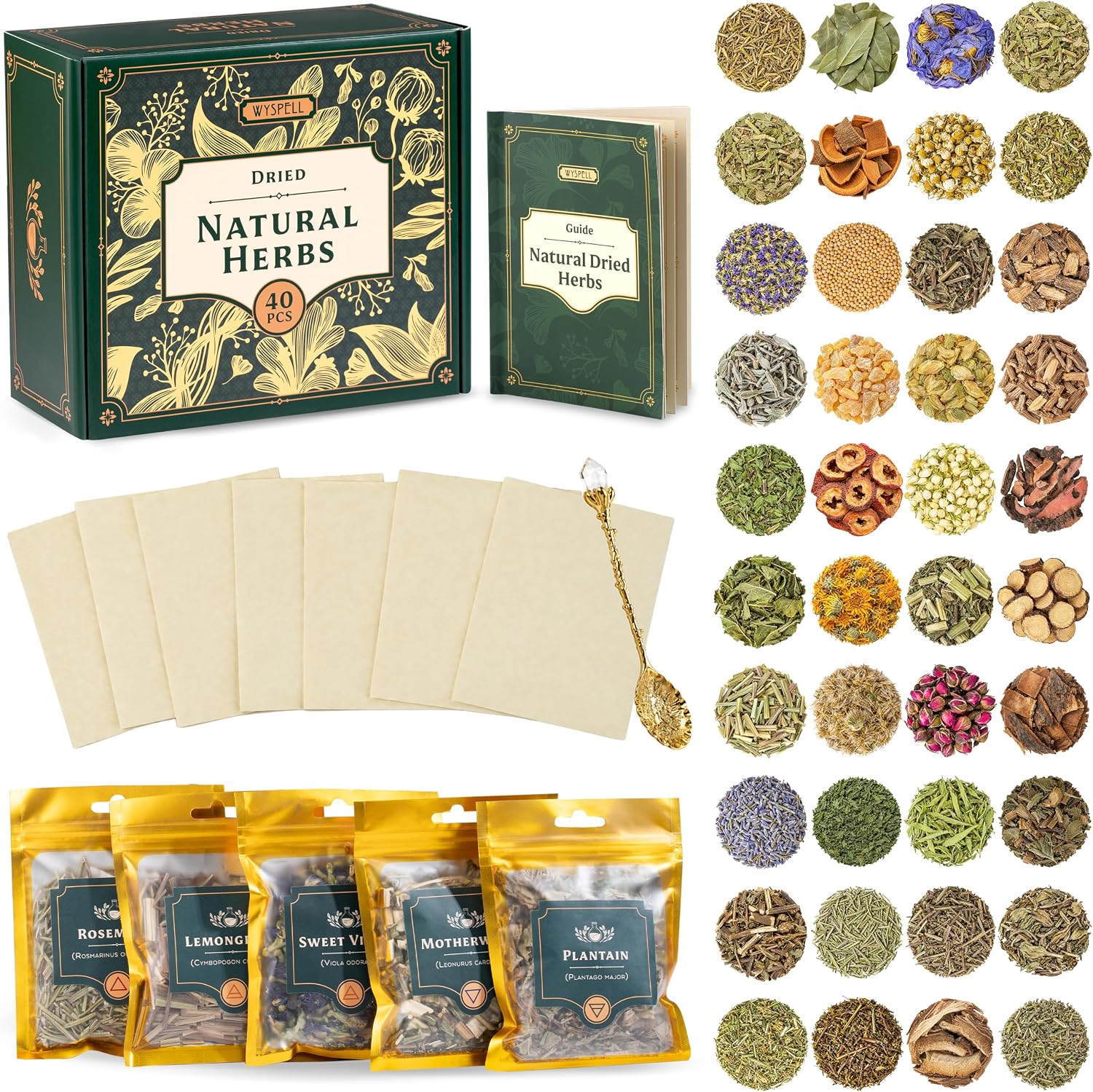
  • Dried Herbs & Flowers Collection (Craft Use)

    Dried Herbs & Flowers Collection (Craft Use)

    For sachets, spell jars, and craft use — not labeled as food-grade, so don't use this specific product for tea or anything ingested. If you want herbal tea, buy actual culinary-grade herbs from a food retailer instead.

    Check price on Amazon

As an Amazon Associate I earn from qualifying purchases. This post may contain affiliate links, which means I may earn a small commission at no extra cost to you if you make a purchase through them. Free resources linked in this article are marked separately and carry no affiliate relationship.