Most lucid dreaming advice online skips straight to exotic induction methods without mentioning the two things that actually determine whether any of them work: dream recall, and reality checks done consistently enough to become an unconscious habit.
Start with reality checks tonight, for free
A reality check is a simple test — looking at your hands, trying to push a finger through your palm, checking a clock twice to see if the time changes — performed periodically during waking hours. The point isn’t the check itself; it’s that doing it often enough while awake makes your mind likely to run the same check inside a dream, which is often the moment lucidity actually triggers. This costs nothing and can start today.
Why dream recall matters more than people think
If you can’t remember your dreams, you have nothing to work with — no way to notice recurring “dream signs” that could cue lucidity, no way to track whether a technique is working. A journal kept by the bed, written in immediately on waking before the dream fades, is unglamorous but does more for lucid dreaming progress than most techniques people reach for first.
Why LaBerge’s book specifically
A lot of lucid dreaming material is speculative or purely anecdotal. LaBerge’s isn’t — he ran actual sleep-lab research proving lucid dreams occur during verifiable REM sleep, using pre-arranged eye movements to signal from inside the dream. That background is exactly why Exploring the World of Lucid Dreaming is the right place to start: the techniques it teaches came out of research, not just personal impressions of what seemed to work.
Once you’re getting lucid reliably
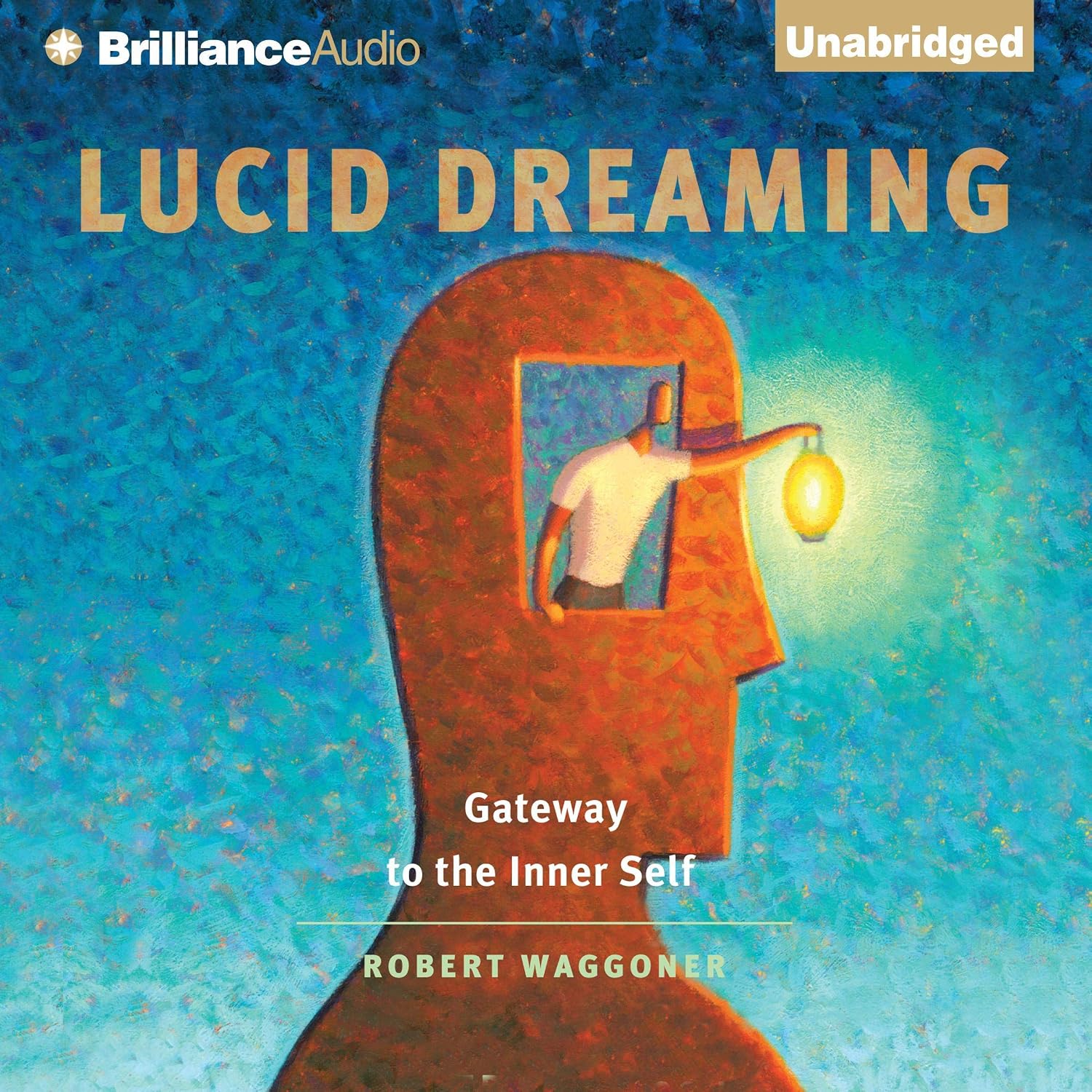
Waggoner’s book is a natural next step — his material focuses less on how to trigger lucidity and more on what to actually do with it once you’re there, drawn from a large base of dreamers’ reported experiences rather than one person’s method.