Crystals are one of the cheapest metaphysical practices to actually try — a single tumbled stone costs a few dollars, and there’s no course, app, or ongoing subscription required to get started. The two real questions are which stones to start with, and how to think about what “using” a crystal actually means.
Worth being direct about, same as everything else here
There’s no controlled scientific evidence that crystals have measurable healing or energetic effects beyond their physical properties (color, weight, texture). What is real: for a lot of people, holding a specific object during meditation, setting an intention while looking at it, or simply having something in a pocket during a stressful day genuinely helps them focus or feel calmer — the same way a stress ball or a worry stone works, whether or not the mineral itself is doing anything beyond being a physical anchor for attention. Approached that way, crystals are a low-cost, tactile tool for intention and focus. Approached as a literal medical or energetic intervention, they’re not that.
Start with the two most common beginner stones
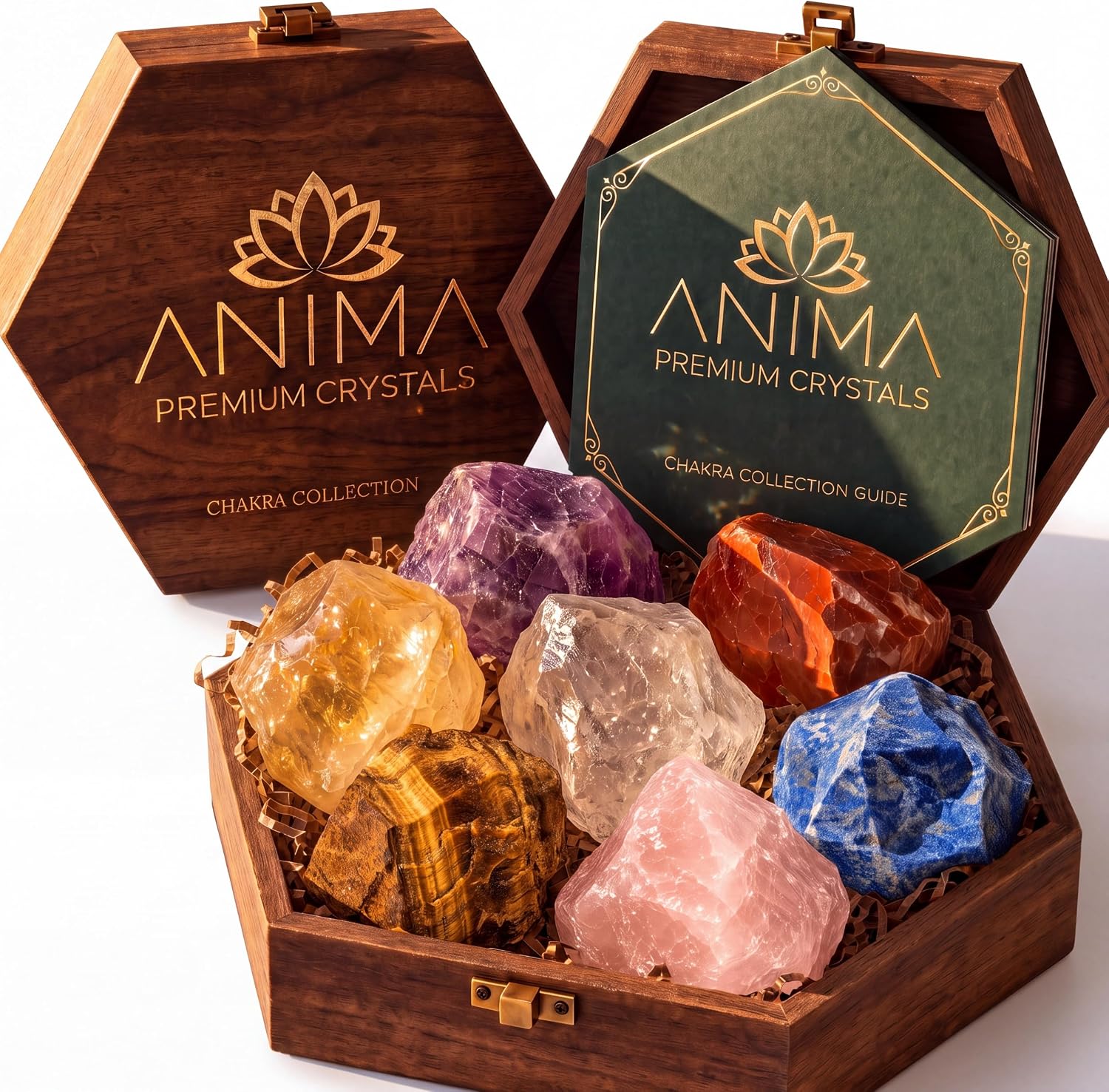
Clear quartz and amethyst show up in almost every “first crystal” recommendation for a reason: clear quartz is commonly treated as an all-purpose, amplifying stone, and amethyst as a calming one — a reasonable pair to start noticing whether any of this resonates with you before building out a larger collection.
Read the free guide before buying more than a starter set
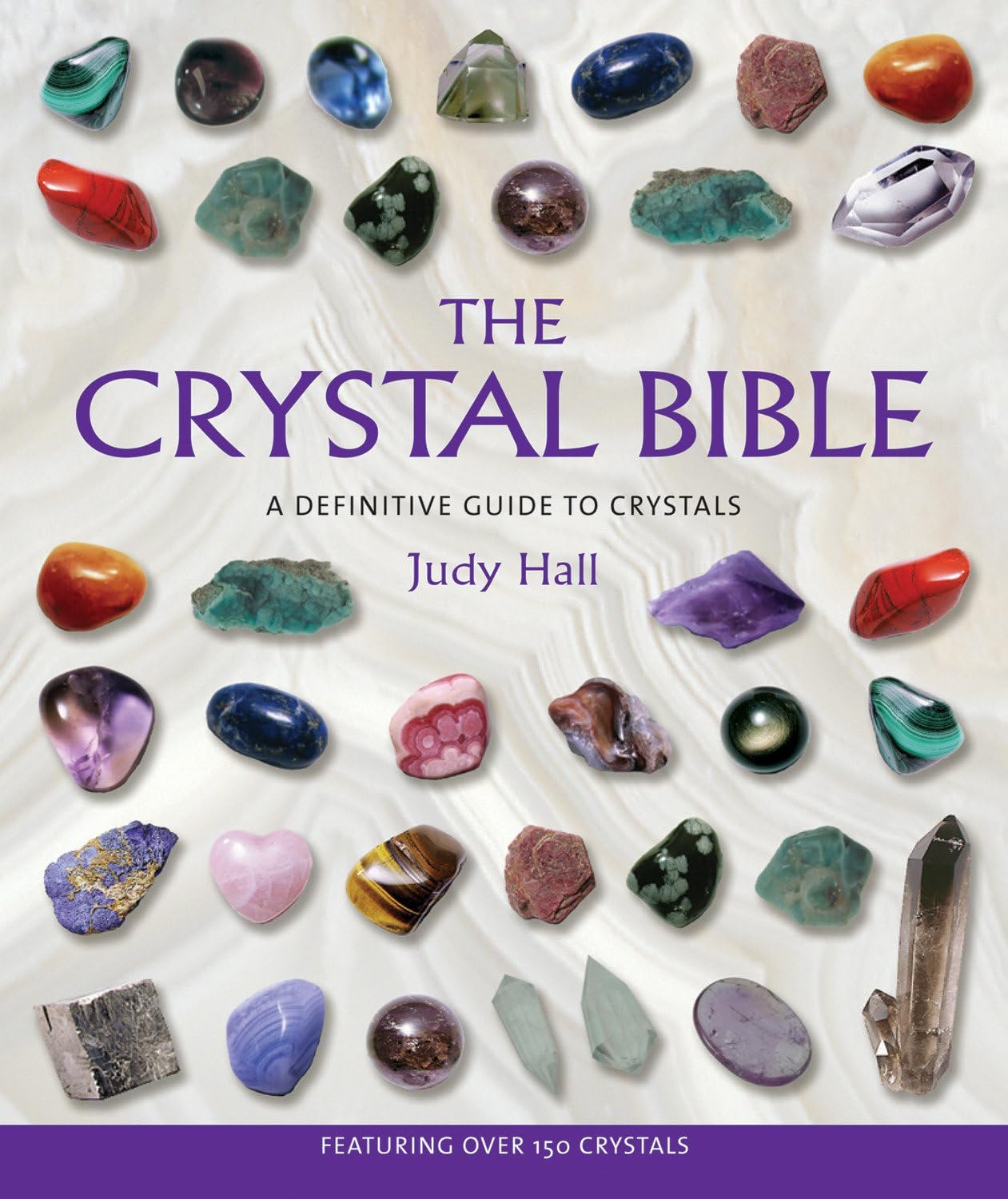
There are hundreds of named crystals, each with different associated meanings depending on which source you read — plenty of disagreement exists even within the community. Browse the free guide above and see which specific stones and properties actually interest you before spending on a large collection you may not use.
Care is optional, but common practice
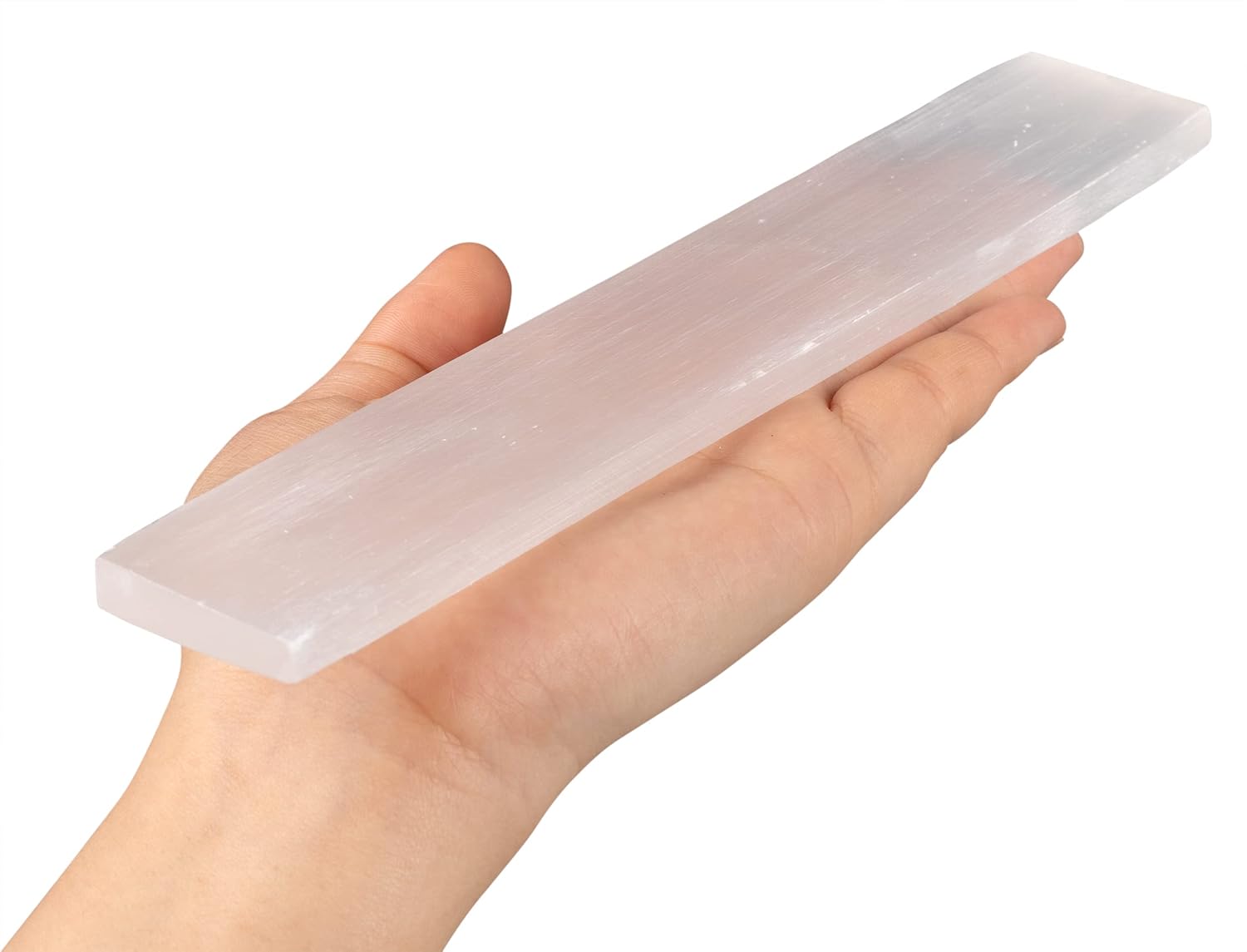
Many practitioners “cleanse” or “charge” crystals periodically — running water, moonlight, or resting them on a selenite plate are the most common methods. This isn’t required for a crystal to be useful to you as a focus object, but it’s a normal part of the practice if you want to incorporate it.